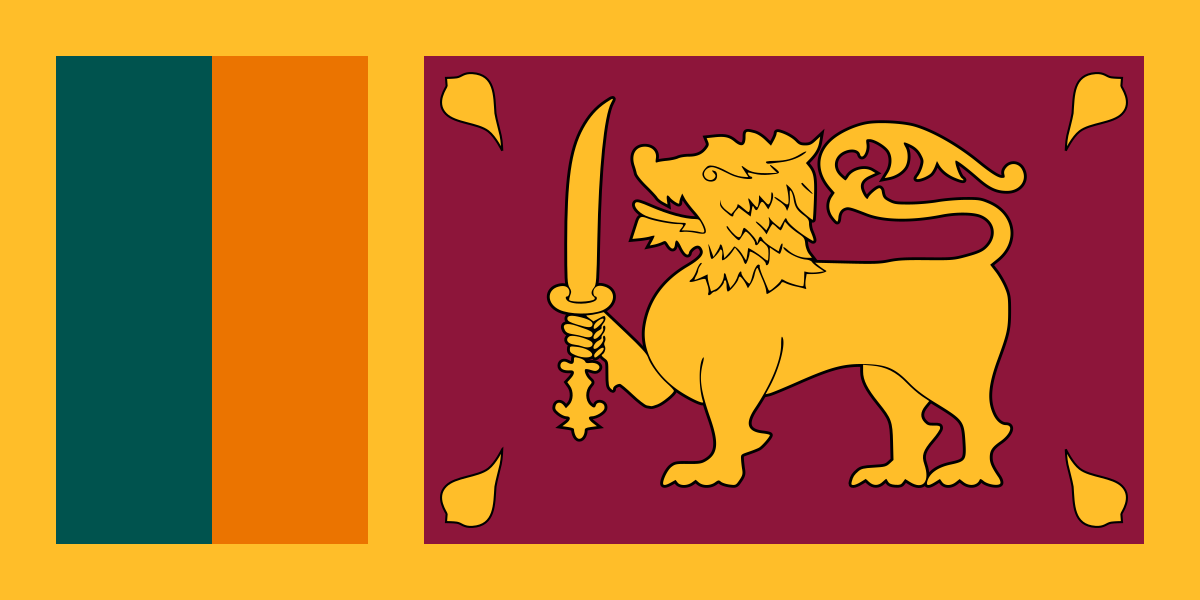
Poson Full Moon Poya Day in Sri Lanka
Poson Full Moon Poya Day is one of the most important days in the Buddhist calendar in Sri Lanka, marking the arrival of Buddhism in the island country in the 3rd century BC. This event is commemorated with great reverence and joy across the nation, symbolizing a pivotal moment in Sri Lankan history when King Devanampiyatissa converted to Buddhism, following his encounter with Mahinda Thera, a Buddhist missionary sent by Emperor Ashoka of India. The festival occurs on the full moon day of the Poson month, which typically falls in June, illuminating the country with religious activities, lanterns, and a spirit of unity.
The significance of Poson Poya extends beyond its religious roots to reflect the deep cultural and historical heritage of Sri Lanka. It's a time when the entire nation pauses to remember the spread of Buddhism, offering a chance for spiritual renewal and reflection. The day is observed with various traditional practices, including Sil campaigns (taking precepts), meditation, and listening to Dhamma sermons, which are aimed at purifying the mind and leading a life based on Buddhist principles. The festival is not only a religious observance but also a celebration of Sri Lankan identity and communal harmony.
Historical Background
The story of Poson is deeply intertwined with the history of Buddhism in Sri Lanka. According to historical records, it was on this day that Arahat Mahinda, the son of Emperor Ashoka, arrived at Mihintale, a mountain peak near Anuradhapura. His encounter with King Devanampiyatissa, who was hunting in the area, led to a conversation that ultimately resulted in the king and his country embracing Buddhism. This momentous event is considered the beginning of Buddhism's spread throughout Sri Lanka, leading to significant changes in the country's social and cultural fabric.
Since then, Poson has been celebrated to honor this transformation and the teachings of Buddha. The celebration is a reflection of the lasting impact that Buddhism has had on Sri Lanka's civilization, including its art, architecture, politics, and education. The introduction of Buddhism also led to the establishment of a societal structure that focused on non-violence, compassion, and mindfulness, principles that continue to guide the Sri Lankan way of life.
Traditions and Celebrations
Poson Poya is celebrated with numerous traditional activities and events. The most visible are the beautiful lanterns and illuminations that decorate homes, streets, and temples, symbolizing the light of Buddha's teachings dispelling the darkness. Large, colorful pandals (thematic, illuminated storyboards) are set up in various locations, depicting scenes from Jataka tales or important events in the history of Buddhism in Sri Lanka. These artistic displays are not only a feast for the eyes but also serve as a means of educating the public about Buddhist teachings and values.
Almsgiving, known as Dansalas, is another significant aspect of the Poson celebration. Volunteers from different communities come together to offer free meals and refreshments to anyone, reflecting the Buddhist values of generosity and compassion. Temples are crowded with devotees participating in religious rites, meditating, and listening to sermons that recount the history of Buddhism's arrival in Sri Lanka and its teachings. These practices help to reinforce the spiritual and communal bonds among the people.
Spiritual and Social Impact
The observance of Poson Poya has a profound spiritual and social impact on the Sri Lankan people. It is a time for personal reflection, renewal of faith, and the practice of the Dhamma in daily life. The emphasis on meditation, mindfulness, and listening to sermons helps individuals to look inward, fostering personal growth and understanding. Moreover, the communal aspects of the celebrations, such as sharing food and participating in communal prayers, strengthen the sense of community and solidarity among Sri Lankans.
Spiritual and Social Impact
The observance of Poson Poya has a profound spiritual and social impact on the Sri Lankan people. It is a time for personal reflection, renewal of faith, and the practice of the Dhamma in daily life. The emphasis on meditation, mindfulness, and listening to sermons helps individuals to look inward, fostering personal growth and understanding. Moreover, the communal aspects of the celebrations, such as sharing food and participating in communal prayers, strengthen the sense of community and solidarity among Sri Lankans.
The festival also plays a crucial role in preserving and promoting Sri Lanka's Buddhist heritage, ensuring that the teachings of Buddha and the story of Buddhism's arrival in the island are passed down through generations. It is a time when the younger members of the community are taught the values of kindness, compassion, and generosity, which are central to Buddhism and Sri Lankan culture.
Celebration of Spiritual Heritage
Poson Full Moon Poya Day is more than just a religious festival; it is a celebration of Sri Lanka's rich spiritual heritage and a testament to the enduring power of Buddhism in shaping the nation's identity. As the country lights up with lanterns and the air fills with the scent of incense and the sounds of chanting, Poson Poya offers a moment of pause, unity, and reflection in the busy calendar year. It's a time when the values of peace, compassion, and communal harmony are celebrated, reminding everyone of the importance of spirituality in creating a more mindful and caring world.