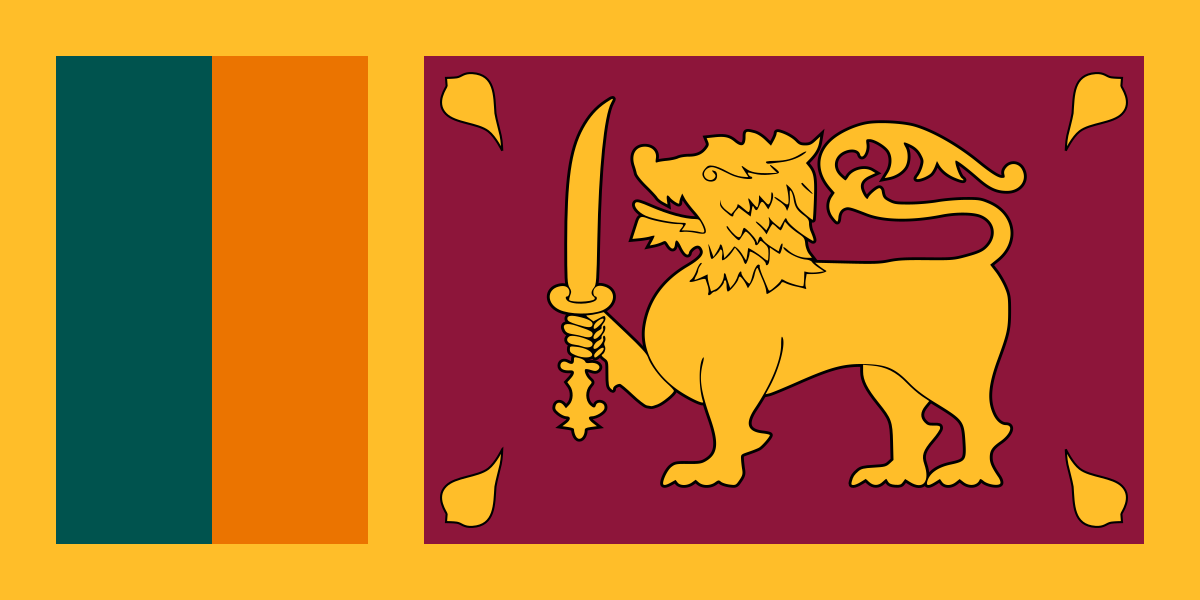
Maha Shivaratri in Sri Lanka
Maha Shivaratri is a significant Hindu festival celebrated with great devotion and enthusiasm in Sri Lanka. This day is dedicated to Lord Shiva, one of the principal deities in Hinduism, known for being the destroyer of evil and the transformer within the Trimurti. Maha Shivaratri, which translates to "the Great Night of Shiva," is observed with reverence and piety, marking a time for reflection on values such as forgiveness, honesty, and self-discipline.
Significance of Maha Shivaratri
In Sri Lanka, Maha Shivaratri carries immense spiritual significance. It is believed that on this night, Lord Shiva performed the Tandava Nritya, the dance of preservation, creation, and destruction. Devotees also celebrate this day as the anniversary of Shiva and Parvati's marriage. The festival symbolizes the victory of light over darkness and ignorance, encouraging followers to meditate on Lord Shiva, chant prayers, fast, and observe vigil through the night. It is a time to reflect on life, pursue spiritual enlightenment, and seek Lord Shiva's blessings for wellness and prosperity.
How Maha Shivaratri is Celebrated in Sri Lanka
In Sri Lanka, Maha Shivaratri celebrations are marked by various religious and cultural practices. Devotees flock to Shiva temples across the country to offer special prayers, fruits, and flowers. The most common offering is the bilva leaf, which is believed to be a favorite of Lord Shiva. Temples are decorated with lights and flowers, creating a festive and spiritual atmosphere. Priests perform rituals such as the Rudra Abhishekam, where they bathe the Shiva Lingam with milk, honey, and water, symbolizing purification of the soul.
Throughout the night, devotees engage in bhajans (devotional songs), kirtans (prayers), and meditation, staying awake to show their devotion to Lord Shiva. Many also fast from sunrise on Shivaratri day until sunrise the next day, consuming only fruits, milk, and other non-grain foods. This practice is believed to cleanse the body and soul, leading to spiritual growth and liberation.
Cultural Impact of Maha Shivaratri
Maha Shivaratri not only holds religious importance but also has a significant cultural impact in Sri Lanka. It brings together people from various walks of life, promoting unity and brotherhood among the diverse communities of the island. The festival is a time when families and friends gather to pray and seek blessings. It also plays a crucial role in preserving and promoting Hindu traditions and cultural heritage among younger generations.
The celebration of Maha Shivaratri in Sri Lanka is a testament to the island's rich cultural tapestry and its ability to uphold and cherish religious and spiritual practices. It underscores the values of devotion, self-discipline, and the quest for enlightenment, resonating with people beyond religious boundaries. As such, Maha Shivaratri stands as a beacon of hope, faith, and renewal, embodying the spiritual ethos of the Sri Lankan people.
In essence, Maha Shivaratri is a day of profound spiritual significance in Sri Lanka, observed with fervor and piety. It is a time for personal reflection, spiritual cleansing, and renewal, as devotees seek the blessings of Lord Shiva for a prosperous and enlightened life. Through its celebration, the festival not only strengthens individual faith but also fosters a sense of community, harmony, and cultural continuity among the people of Sri Lanka.