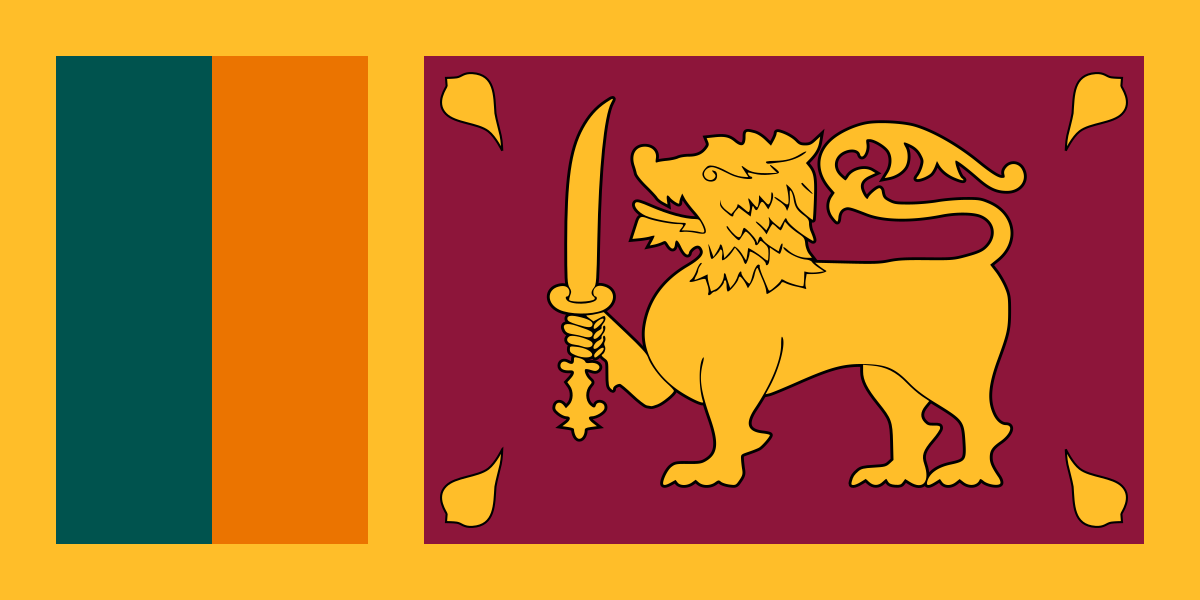
Esala Full Moon Poya Day in Sri Lanka
Esala Full Moon Poya Day is a significant religious and cultural festival in Sri Lanka, celebrated with much fervor and devotion. This day marks the first full moon of the Esala month in the Buddhist calendar, which usually falls in July or August. It commemorates two major events in the life of Lord Buddha: his first sermon after attaining Enlightenment and the consecration of the first Buddhist council. The festival embodies the spiritual depth and cultural richness of Sri Lanka, drawing thousands of devotees and tourists alike to witness and participate in the rituals and celebrations.
The first sermon, known as the Dhammacakkappavattana Sutta, was delivered by Buddha to his five former companions, setting in motion the Wheel of Dhamma. This sermon laid down the fundamental principles of Buddhism, including the Four Noble Truths and the Noble Eightfold Path, which are central to Buddhist teachings. The consecration of the first Buddhist council, held three months after Buddha's passing away, was an effort to preserve his teachings for future generations. Esala Poya celebrates these pivotal moments, reinforcing the teachings' relevance and encouraging the practice of Dhamma in daily life.
Traditions and Celebrations
In Sri Lanka, Esala Full Moon Poya Day is observed with various religious ceremonies and traditional practices. Temples across the country are adorned with lanterns and lights, creating a serene and sacred atmosphere. Devotees clad in white, symbolizing purity, visit these temples to offer prayers, observe Sil (the practice of keeping precepts), and participate in meditation sessions. The air is filled with the sound of chanting and the fragrance of incense, contributing to a sense of peace and communal harmony.
One of the highlights of Esala Poya is the Esala Perahera in Kandy, one of the most beautiful and grand processions in Asia. This spectacular event features dancers, drummers, and lavishly decorated elephants parading through the streets of Kandy, culminating in a grand display of Sri Lankan culture and Buddhist devotion. The procession is led by the Maligawa Tusker, carrying the sacred tooth relic of Buddha, making it a deeply spiritual experience for those who witness it. The Esala Perahera draws not only locals but also international tourists, showcasing the rich cultural heritage of Sri Lanka.
Spiritual Significance
The spiritual significance of Esala Full Moon Poya Day extends beyond the historical events it commemorates. It is a time for reflection, making resolutions to lead a life in accordance with Buddhist teachings. The day encourages the practice of Dana (giving), Sila (moral conduct), and Bhavana (meditation), which are considered the three pillars of Buddhism. Through these practices, individuals seek to cultivate generosity, ethical living, and mindfulness, aiming for personal growth and enlightenment.
Moreover, Esala Poya offers an opportunity for communal and social engagement. It strengthens the bond within the community as people come together to celebrate, share, and reaffirm their commitment to the path of Buddha. The festival promotes values such as compassion, patience, and empathy, contributing to societal harmony and individual peace of mind. It serves as a reminder of the importance of spiritual welfare in a world that is increasingly materialistic and divided.
Cultural Impact
The cultural impact of Esala Full Moon Poya Day is profound, as it showcases the rich traditions and artistic expressions of Sri Lanka. The festival is a testament to the country's dedication to preserving its Buddhist heritage and promoting cultural unity. Through the vibrant processions, traditional dance performances, and music, Esala Poya provides a window into the soul of Sri Lankan Buddhism and its influence on the nation's identity.
Furthermore, the festival plays a crucial role in the economy of Sri Lanka, particularly in the tourism sector. Events like the Kandy Esala Perahera attract thousands of international visitors, eager to experience the unique blend of spirituality and cultural spectacle. This influx of tourists supports local businesses, from handicraft sellers to hoteliers, and promotes international understanding and appreciation of Sri Lankan traditions and religious practices.
Preserving Tradition and Embracing the Future
Esala Full Moon Poya Day is more than just a religious observance; it is a living tradition that bridges the past and the present, inviting both Sri Lankans and visitors to partake in its timeless rituals and celebrations. As the world becomes more interconnected, festivals like Esala Poya play a vital role in fostering global cultural exchange and mutual respect for diverse religious beliefs and practices.
As Sri Lanka continues to navigate the challenges of the modern world, Esala Full Moon Poya Day stands as a beacon of hope, peace, and unity. It reminds us of the enduring power of faith and the importance of community in achieving personal and collective well-being. By celebrating Esala Poya, Sri Lankans reaffirm their commitment to the values taught by Buddha, aspiring for a more compassionate and mindful world for generations to come.