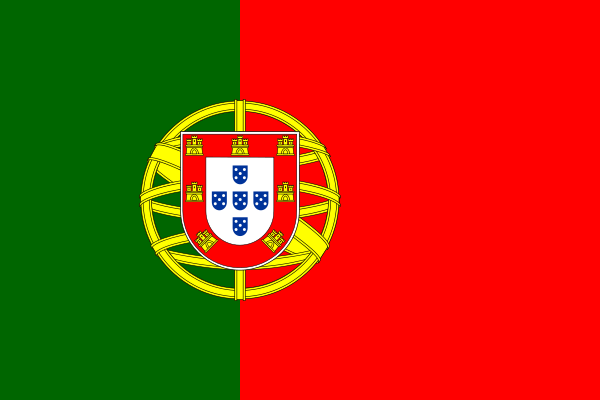
 Freedom Day in Portugal
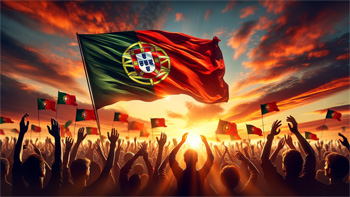

Freedom Day in Portugal, celebrated on April 25th each year, is a significant public holiday that commemorates the 1974 Carnation Revolution. This day marks a pivotal moment in Portuguese history, when the military, with wide public support, overthrew the Estado Novo regime, a dictatorial government that had ruled Portugal for nearly five decades. The Carnation Revolution not only led to the establishment of democratic governance in Portugal but also signaled the end of colonial wars in Africa, paving the way for the independence of several African nations. This article delves into the history, significance, and contemporary celebrations of Freedom Day in Portugal, offering insights into why this day remains a cornerstone of Portuguese national identity.
The origins of Freedom Day trace back to a period of intense social, political, and economic turmoil in Portugal. The Estado Novo regime, led by António de Oliveira Salazar and later Marcello Caetano, was characterized by its authoritarian rule, suppression of civil liberties, and censorship of the media. The regime's involvement in protracted colonial wars in Angola, Mozambique, and Guinea-Bissau placed a significant strain on Portugal's resources and led to widespread discontent among the population. It was against this backdrop that the Armed Forces Movement, comprising mostly junior military officers, initiated a coup on April 25, 1974, which swiftly gained popular support. Remarkably, the revolution was almost bloodless, with flowers, particularly carnations, becoming a symbol of the movement as soldiers placed them in the muzzles of their rifles and tanks.
The Significance of Freedom Day
Freedom Day is much more than a mere public holiday in Portugal; it represents the country's transition to democracy and the end of an era of repression. The Carnation Revolution led to rapid political changes, including the drafting of a new constitution, the establishment of civil liberties, and the decolonization of African territories. These changes had profound implications not only for Portugal but also for the global political landscape, especially in Africa where several nations gained independence following Portugal's withdrawal. Freedom Day, therefore, is a celebration of peace, democracy, and the triumph of the human spirit over oppression.
Additionally, Freedom Day serves as a reminder of the value of democracy and the importance of maintaining vigilance to protect civil liberties and human rights. It is a day for reflection on the sacrifices made by those who fought for freedom and democracy, as well as for education about the importance of these principles. In Portugal, the day is marked by official ceremonies, including speeches by political leaders, military parades, and cultural events that celebrate the country's rich heritage and history. These celebrations are not just nationalistic in nature but also serve to reinforce the collective memory of the struggle for democracy and the ongoing commitment to uphold these ideals.
Contemporary Celebrations of Freedom Day
Today, Freedom Day in Portugal is celebrated with a variety of events and activities that span across the country. In Lisbon, the capital city, the focal point of celebrations is the iconic Avenida da Liberdade, where military parades and ceremonial events take place. This avenue, whose name translates to "Avenue of Liberty," becomes a sea of people, flags, and carnations, embodying the spirit of freedom that the day commemorates. Cultural institutions, including museums and galleries, often offer free admission or special exhibitions related to the Carnation Revolution and the broader theme of liberty.
In addition to official ceremonies, Freedom Day is an opportunity for community gatherings, concerts, and educational activities aimed at younger generations. Schools and universities play a critical role in commemorating this day, organizing debates, workshops, and presentations that explore the history and significance of the Carnation Revolution. These activities not only honor the memory of those who fought for freedom but also instill a sense of civic responsibility and appreciation for democratic values among the youth. Furthermore, the day is a time for reflection on current issues facing democracy, both in Portugal and around the world, encouraging ongoing engagement and dialogue about the challenges and responsibilities of citizenship in a democratic society.
The Legacy of Freedom Day
The legacy of Freedom Day extends beyond the annual commemorations; it is woven into the fabric of Portuguese society and its democratic institutions. This day serves as a testament to the resilience of the Portuguese people and their commitment to freedom and justice. It also underscores the importance of solidarity and collective action in challenging authoritarianism and promoting social change. As Portugal continues to navigate the complexities of modern governance, the principles that underpinned the Carnation Revolution remain as relevant as ever, guiding the nation's approach to issues of social equity, human rights, and international relations.
Moreover, Freedom Day has transcended national boundaries, becoming a symbol of hope and inspiration for oppressed peoples around the globe. The peaceful nature of the Carnation Revolution and its success in achieving profound social and political change offer a compelling example of nonviolent resistance and the power of collective will. As the world faces new challenges to democracy and human rights, the story of April 25, 1974, reminds us of the possibility of transformation through peaceful means and the enduring value of freedom.
In sum, Freedom Day in Portugal is a multifaceted holiday that commemorates a watershed moment in the nation's history. It is a day of celebration, reflection, and education that honors the past while looking forward to the future. Through the annual observance of this day, Portugal reaffirms its commitment to democracy, freedom, and human rights, setting an example for the world and ensuring that the legacy of the Carnation Revolution continues to inspire generations to come.