 National Day in Sweden
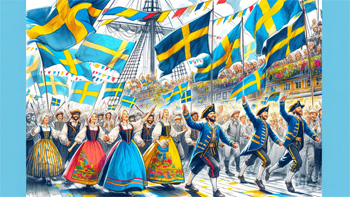

National Day in Sweden, celebrated every year on June 6th, is a day full of pride, joy, and a deep sense of history for the Swedish people. This day marks the commemoration of two significant events in Swedish history: the election of King Gustav Vasa in 1523, which laid the foundation for Sweden as an independent nation, and the adoption of a new constitution in 1809. Together, these events symbolize the beginning of Swedish sovereignty and the establishment of democratic governance. National Day in Sweden is not just a public holiday; it's a reflection of the country's journey towards independence and democracy, celebrated across the nation with various festivities, flag hoisting ceremonies, and cultural events.
The origins of National Day can be traced back to 1893 when the day was first celebrated as Swedish Flag Day. It was an initiative to instill national pride among the citizens at a time when the sense of national identity was wavering. However, it wasn't until 1983 that June 6th was officially recognized as the Swedish National Day. This recognition was a result of growing interest in national and historical celebrations and the government's desire to strengthen national identity. The day becoming a public holiday in 2005 further emphasized its importance, allowing more Swedes to actively participate in the celebrations.
How National Day is Celebrated
In Sweden, National Day celebrations are both formal and festive, encompassing a wide range of activities that reflect the country's culture, history, and modern achievements. The day typically begins with the hoisting of the Swedish flag, a deeply symbolic act that signifies national pride and unity. Across the country, municipalities and local communities organize various events such as parades, music concerts, and family-friendly activities. One of the highlights is the open-house event at the Royal Palace in Stockholm, where the public gets free admission to explore the majestic residence and witness the changing of the guard.
Another significant aspect of the celebrations is the naturalization ceremony for new Swedish citizens. This ceremony is usually held in parks or community centers, where new citizens are welcomed with speeches, music, and sometimes, traditional Swedish food. It's a moment of pride and joy, as individuals from diverse backgrounds come together to celebrate their new identity as Swedes. This inclusivity and recognition of diversity are fundamental values that National Day aims to promote, reflecting Sweden's open and multicultural society.
Traditional Foods and Customs
Like any celebration, food plays an essential role in National Day festivities. Traditional Swedish dishes are enjoyed by families and communities, often in outdoor settings that take advantage of Sweden's beautiful June weather. Smörgåsbord, a buffet-style meal with a variety of hot and cold dishes, is particularly popular. It typically includes herring, salmon, potatoes, and Swedish meatballs, accompanied by crispbread and cheese. Strawberries, especially, hold a special place in National Day celebrations, as June is the prime season for this beloved fruit in Sweden. Eating strawberries with cream or in cakes is a sweet tradition that marks the beginning of summer.
In addition to food, many Swedes dress in traditional costumes known as folkdräkter, especially in rural areas or during official ceremonies. These costumes vary significantly from one region to another, reflecting the local history and traditions. Wearing a folkdräkt is a way to honor one's heritage and celebrate the diversity within the nation. It's not uncommon to see a parade of colors and patterns during National Day, showcasing the rich cultural tapestry of Sweden.
Impact on National Identity
National Day in Sweden plays a crucial role in fostering a sense of national identity and unity among Swedes. In a world where globalization and migration are blurring national boundaries, this day serves as a reminder of the unique cultural, historical, and democratic values that define Sweden. It's a day for reflection on the past struggles for independence and democracy, as well as a celebration of the achievements and progress made as a nation. By participating in National Day festivities, Swedes of all ages and backgrounds come together to reaffirm their commitment to these values.
The inclusivity of the celebrations, particularly the naturalization ceremony for new citizens, highlights Sweden's welcoming and diverse society. It sends a powerful message about the importance of embracing diversity and fostering a sense of belonging among all residents, regardless of their origin. This approach not only strengthens the social fabric but also enriches the Swedish culture, making it more vibrant and inclusive. As such, National Day is more than just a holiday; it's a reflection of Sweden's ongoing journey towards a more inclusive, democratic, and prosperous society.
As we look to the future, National Day in Sweden will continue to evolve, reflecting the changing dynamics of the Swedish society and the world at large. However, its essence—a celebration of Swedish history, culture, and values will remain a constant. This day will continue to serve as a unifying force, bringing together people from all walks of life to celebrate their shared identity and the values that make Sweden unique. It is a day of pride, reflection, and forward-looking optimism, where the past is honored and the future is embraced with open arms. As Sweden continues to navigate the complexities of the 21st century, National Day stands as a beacon of unity, diversity, and progress, symbolizing the strength and resilience of the Swedish nation. Through its continued celebration, Swedes reaffirm their commitment to democracy, equality, and inclusivity, ensuring that these core values are preserved for generations to come.