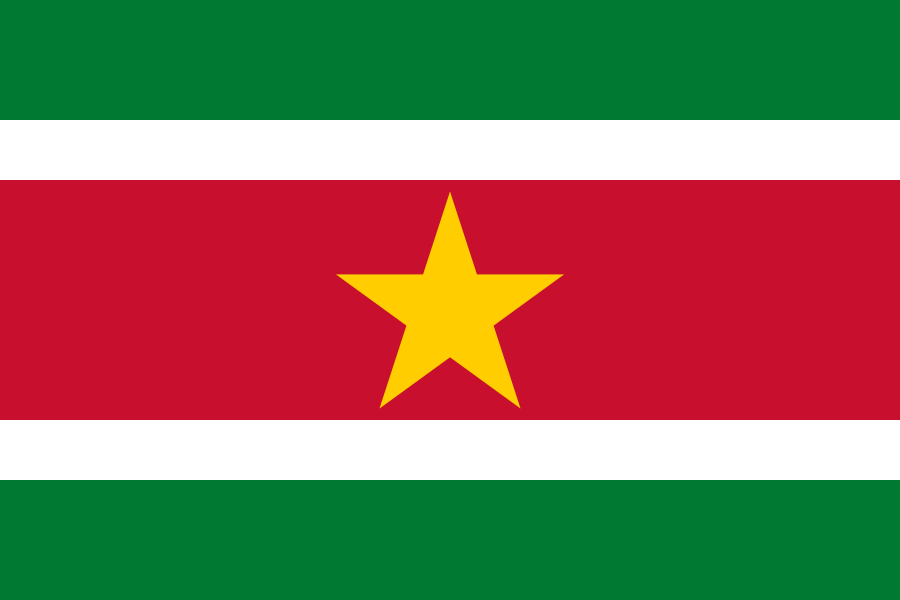
Indigenous Peoples' Day in Suriname
Indigenous Peoples' Day in Suriname, celebrated annually, is a significant event that honors the rich heritage, culture, and contributions of the indigenous communities in the country. Suriname, known for its ethnic diversity, dedicates this day to recognizing the importance of indigenous peoples and their integral role in the nation's history and cultural tapestry. The day is marked by a series of events and activities that celebrate indigenous traditions and promote awareness of their rights and issues.
Significance of Indigenous Peoples' Day
The significance of Indigenous Peoples' Day lies in acknowledging and celebrating the first inhabitants of Suriname. This day serves as a reminder of the historical and ongoing contributions of indigenous communities to the social, cultural, and environmental well-being of the country. It is also a time to reflect on the challenges these communities face, including preserving their culture and lands, and to promote their rights and well-being.
Cultural Celebrations and Traditions
Indigenous Peoples' Day is characterized by vibrant cultural celebrations. These include traditional music, dance performances, and art exhibitions that showcase the diverse cultures of Suriname's indigenous groups, such as the Arawak, Carib, and Wayana peoples. These events provide a platform for indigenous artists and performers to display their talents and share their rich cultural heritage with a wider audience.
Educational Programs and Awareness
Education plays a crucial role in the observance of Indigenous Peoples' Day. Schools and educational institutions often organize programs and workshops that focus on indigenous history, culture, and languages. These educational activities are essential for raising awareness among the younger generation and promoting understanding and respect for indigenous cultures and histories.
Community Gatherings and Dialogue
Community gatherings are a key aspect of Indigenous Peoples' Day in Suriname. These gatherings are opportunities for dialogue and exchange between indigenous and non-indigenous communities. They foster a sense of unity and mutual respect and provide a space for discussing important issues affecting indigenous peoples, such as land rights, environmental protection, and cultural preservation.
Government and Civil Society Involvement
The involvement of the government and civil society organizations is notable in the observance of Indigenous Peoples' Day. These entities often collaborate to organize events and support initiatives that highlight the importance of indigenous rights and contributions. Such collaboration is vital in promoting policies and practices that support the well-being and rights of indigenous communities.
Impact on Tourism and Cultural Exchange
Indigenous Peoples' Day also has a positive impact on tourism and cultural exchange in Suriname. The celebrations attract tourists interested in learning about the country's indigenous cultures, providing an economic boost to local communities. Additionally, these interactions facilitate cultural exchange and foster a greater appreciation for the diversity and richness of Suriname's cultural landscape.
Indigenous Peoples' Day in Suriname is more than just a celebration; it is a day of recognition, education, and advocacy for the rights and cultures of indigenous peoples. Through its various activities and events, the day highlights the importance of preserving indigenous heritage and promotes a more inclusive and respectful society that honors the diverse tapestry of cultures that make up Suriname.