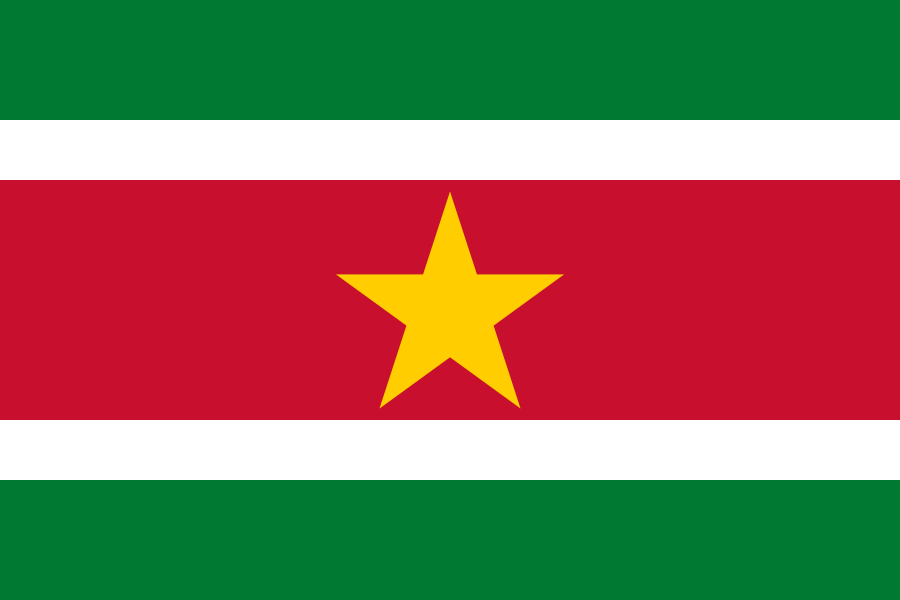
Emancipation Day in Suriname
Emancipation Day in Suriname, celebrated on July 1st, marks the abolition of slavery in the country in 1863. This day is a profound commemoration of freedom, resilience, and cultural heritage. It serves as a reminder of the struggles endured by the ancestors of the Surinamese people and celebrates their liberation from bondage. Emancipation Day, known locally as 'Keti Koti' (Broken Chains), is observed with various activities and events that reflect the nation's history and the diverse tapestry of its society.
Historical Background of Emancipation Day
The historical significance of Emancipation Day lies in the abolition of slavery by the Dutch government, which had a profound impact on Suriname, a former Dutch colony. The day commemorates the end of a dark period in Surinamese history and honors the strength and resilience of enslaved Africans who contributed immensely to the nation's cultural and economic development.
Celebrations and Commemorative Events
Emancipation Day in Suriname is marked by several commemorative events and celebrations. These include official ceremonies, cultural performances, and educational programs. The day typically begins with a wreath-laying ceremony at the Kwakoe statue in Paramaribo, which symbolizes freedom and liberation. This is followed by music, dance, and storytelling events that celebrate African heritage and culture.
Cultural Significance and Expression
The cultural significance of Emancipation Day is evident in the vibrant expressions of African heritage seen throughout the celebrations. Traditional African music, drumming, dance, and attire are prominently featured. These cultural expressions serve not only as a celebration of freedom but also as a means of preserving and promoting the rich African heritage that forms an integral part of Surinamese identity.
Community Gatherings and Unity
Community gatherings are a key aspect of Emancipation Day, fostering a sense of unity and solidarity among the Surinamese people. Families and communities come together to share meals, stories, and experiences. These gatherings are a time for reflection on the past and a celebration of the strong community bonds that have been a source of resilience and strength throughout history.
Impact on Society and Reflection
Emancipation Day has a profound impact on Surinamese society. It is a day of reflection on the past struggles for freedom and the ongoing challenges faced by the descendants of enslaved people. The day also highlights the contributions of the African diaspora to Surinamese culture and society and prompts discussions on issues of race, equality, and justice.
Educational and Awareness Activities
Educational activities play a significant role in Emancipation Day celebrations. Schools and cultural institutions organize programs and exhibitions that educate the public about the history of slavery and emancipation in Suriname. These activities are crucial for raising awareness and understanding of the country's history among the younger generation.
Emancipation Day in Suriname is a powerful symbol of freedom, resilience, and cultural pride. It is a day that not only commemorates a pivotal moment in the nation's history but also celebrates the enduring spirit and cultural richness of the Surinamese people. Through its various forms of commemoration and celebration, Emancipation Day continues to be a vital part of Suriname's national identity and cultural heritage.