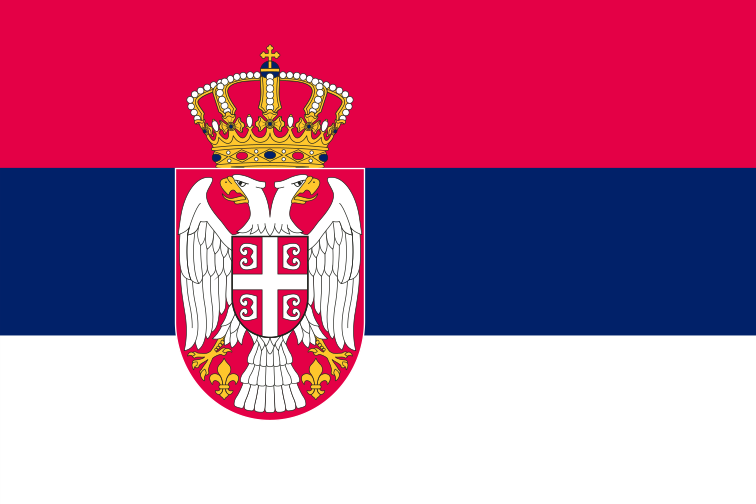
Good Friday in Serbia
Good Friday in Serbia is a day of solemn observance and reflection, falling on the Friday before Easter Sunday. It commemorates the crucifixion of Jesus Christ and his death at Calvary, holding a profound place in the hearts of the Serbian Orthodox Christian community. This day, part of the Holy Week, is imbued with deep religious significance and observed with various traditions that have been passed down through generations.
Observing Good Friday Traditions
In Serbia, Good Friday is marked by a strict fast, considered the most solemn day of the week. Many adherents abstain from eating meat, dairy products, and sometimes, all food until the evening, to honor the sacrifice of Jesus Christ. Churches across the country hold services in the morning and afternoon, featuring readings from the Gospels, hymns, and prayers that reflect on the suffering and death of Jesus. The atmosphere in these services is one of mourning and contemplation, with churchgoers often leaving in silence to maintain the day's solemn mood.
Another significant tradition is the decoration of the Epitaphios, an icon representing the dead body of Christ, which is then taken in procession around the church. This ritual symbolizes the burial of Jesus and serves as a vivid reminder of the day's somber significance.
The Role of Silence and Reflection
Good Friday in Serbia is characterized by a notable quietness, as many choose to spend the day in reflection and prayer, contemplating the themes of sacrifice, redemption, and forgiveness. It's a time when families come together in a subdued manner, avoiding the festivities and exuberance typical of other holidays. The silence of the day extends into public life, with many businesses closing early and entertainment events being postponed or canceled out of respect for the day's solemnity.
Good Friday's Place in Serbian Culture
While Good Friday is fundamentally a religious observance, its impact extends beyond the church, influencing Serbian culture and society. It serves as a reminder of the importance of faith, sacrifice, and community in Serbian life. The day's observances reinforce the values of empathy, compassion, and togetherness, as people reflect not only on the suffering of Christ but also on the suffering present in the world today.
Good Friday in Serbia, with its profound spiritual significance and deeply ingrained traditions, offers a moment of pause in the hustle and bustle of modern life. It invites believers and non-believers alike to reflect on deeper existential themes, fostering a sense of solidarity and shared humanity among the Serbian people.