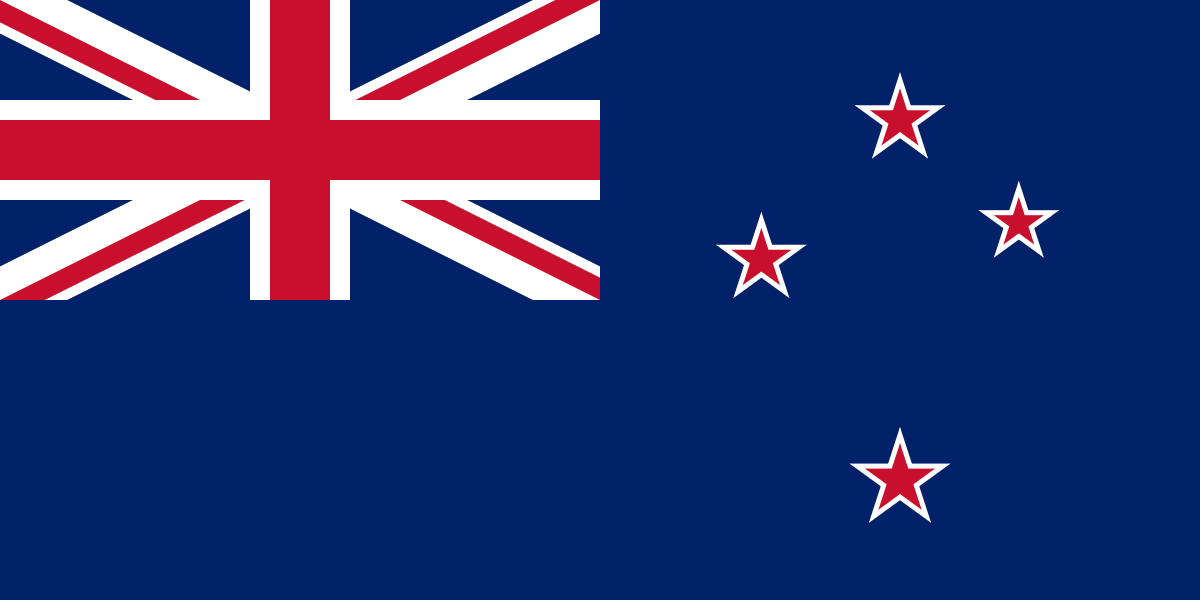
 Waitangi Day in New Zealand
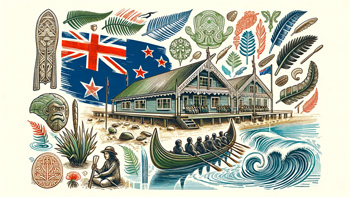

Waitangi Day, celebrated on February 6th, is a significant national public holiday in New Zealand. It commemorates the signing of the Treaty of Waitangi in 1840 between the Māori chiefs and the British Crown, establishing the nation's foundational document. While it marks the birth of modern New Zealand, the day also reflects on past injustices and the ongoing journey of reconciliation. Across the country, ceremonies, cultural performances, and community gatherings encapsulate the essence of unity and respect, making Waitangi Day not just a holiday, but a deep-rooted expression of national identity.
Historical Significance: The Treaty of Waitangi
The Treaty of Waitangi is the foundational document of New Zealand. Signed at Waitangi in the Bay of Islands between Māori chiefs and representatives of the British Crown, the treaty is seen as the vehicle by which New Zealand became a British colony. However, its interpretation, particularly regarding sovereignty and land rights, has been the subject of debate and contention for over a century. The treaty is composed of three articles that addressed the rights and privileges of Māori and Pākehā (European settlers). Its significance cannot be overstated, as it continues to shape political, cultural, and social discourse in New Zealand.
Waitangi Day: A Public Holiday with Depth
Unlike many public holidays celebrated with fanfare and festivities, Waitangi Day is often a time of introspection. The holiday is both a celebration of the diverse nation that New Zealand has become and a day of reflection on past injustices, especially concerning the treatment of Māori people. The day witnesses a mix of formal ceremonies, musical performances, discussions, and debates on the Treaty's significance.
Diverse Celebrations Across the Land
In the grounds of the Waitangi Treaty Grounds, the day begins with a dawn service, attracting thousands from various walks of life. It's an event that beautifully encapsulates the spirit of unity amidst diversity. Various regions in New Zealand have their unique ways of commemorating the day. From waka (canoe) races in the azure waters to spirited kapa haka (Māori dance) performances on land, the celebrations are a visual and auditory feast.
Further, Waitangi Day serves as a platform for Māori culture to shine brightly. Marae (communal areas) across New Zealand open their doors to the public, allowing them to experience traditional Māori hospitality and engage in enriching cultural exchanges.
The Evolution of Waitangi Day Observance
From its inception as a public holiday in 1974, the observance of Waitangi Day has evolved. While earlier years saw significant protests and confrontations due to treaty grievances, recent times have experienced a shift towards reconciliation and mutual understanding. Efforts by the government to address treaty settlements and the greater inclusion of Māori culture in mainstream New Zealand have paved the way for more harmonious celebrations.
A Day Beyond Leisure
For many New Zealanders, Waitangi Day is beyond a day off work. It's an opportunity to delve deep into the country's history, understand the roots of present-day New Zealand, and envisage a future of mutual respect and harmony. Schools and institutions take the lead in educating the younger generation about the treaty, ensuring that they grow up with a strong sense of national identity.
Waitangi Day in Contemporary Times
In contemporary New Zealand, Waitangi Day stands as a testament to the country's commitment to acknowledge its past, celebrate its present, and look forward to a future of unity and prosperity. It serves as a reminder that the nation's strength lies in its diverse cultures and shared history.
Waitangi Day, as a public holiday, is a tapestry of emotions, experiences, and expressions for New Zealand. It intertwines historical significance with modern-day aspirations, and cultural exuberance with political acknowledgment. As the nation stands on the cusp of a future filled with promise, Waitangi Day ensures that the lessons of the past remain a guiding light, ensuring a harmonious and inclusive New Zealand for generations to come.