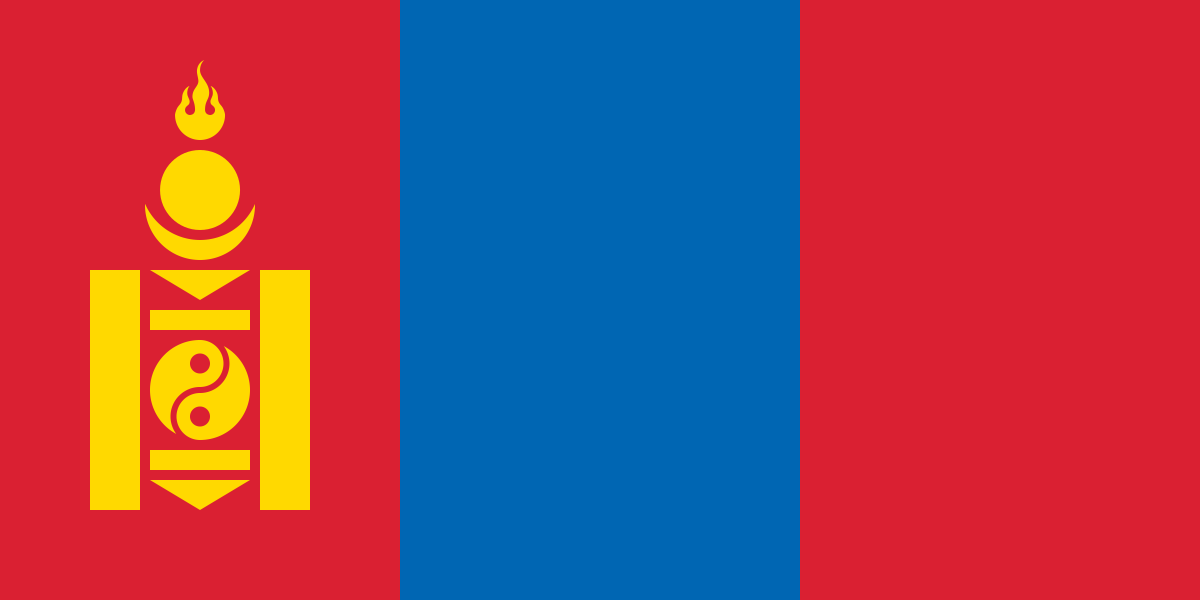
Genghis Khan Day in Mongolia
Genghis Khan Day in Mongolia is a significant national holiday that honors the memory of one of the most renowned figures in Mongolian and world history, Genghis Khan. Known as the founder of the Mongol Empire, which became the largest contiguous empire in history after his death, Genghis Khan is celebrated for his military genius, leadership, and the unification of the Mongolian tribes. This day is not just a reflection of Mongolia's past glory but also a celebration of its cultural heritage and national identity.
The importance of Genghis Khan to Mongolia cannot be overstated. He is revered not only as a conqueror but also as a national hero who shaped the destiny of the nation. The commemoration of Genghis Khan Day is a testament to his enduring legacy in Mongolia. It is a day filled with activities that reflect the rich Mongolian culture, including ceremonies, concerts, and exhibitions, all paying homage to Genghis Khan's contribution to the country's history.
The Significance of Genghis Khan Day
Genghis Khan Day is celebrated with great enthusiasm across Mongolia. It is a day that brings together Mongolians from all walks of life to honor their ancestral roots and the achievements of Genghis Khan. The holiday is marked by various cultural events and activities that aim to educate the younger generation about their history and instill a sense of pride in their heritage. Schools and public institutions organize lectures and presentations on the life and times of Genghis Khan, highlighting his achievements and the values he stood for.
One of the most notable aspects of Genghis Khan Day is the emphasis on Mongolian traditional values and customs. The day is an opportunity for Mongolians to reconnect with their history and culture, showcasing traditional clothing, music, and dance. These cultural displays serve as a reminder of the Mongolian people's resilience and their ability to maintain their unique identity throughout the centuries.
Commemorative Events and Ceremonies
The celebration of Genghis Khan Day includes a range of ceremonial events that take place across the country. One of the highlights is the laying of wreaths at the statue of Genghis Khan, which stands as a monumental tribute to his legacy in the capital city of Ulaanbaatar. This ceremony is attended by government officials, dignitaries, and citizens, reflecting the national respect and admiration for Genghis Khan. The solemnity of this event underscores the deep reverence Mongolians hold for their historical figure.
Another significant aspect of the day's celebrations is the traditional Mongolian wrestling, horse racing, and archery competitions. These sports, deeply embedded in Mongolian culture, were highly valued during Genghis Khan's time and continue to be an integral part of the festivities. These events not only provide entertainment but also serve to highlight the skills and bravery that were essential to the Mongol way of life and conquests.
Cultural Exhibitions and Educational Programs
In addition to the commemorative ceremonies, Genghis Khan Day is marked by a variety of cultural exhibitions and educational programs. Museums throughout Mongolia feature special exhibitions dedicated to the era of Genghis Khan, showcasing artifacts, weaponry, and documents that offer insight into the Mongol Empire's might and governance. These exhibitions are an excellent opportunity for both locals and visitors to delve deeper into the history and legacy of Genghis Khan and the empire he built.
Educational programs play a crucial role in the celebration, with schools and educational institutions organizing special classes and activities focused on Genghis Khan's history. Through stories, games, and interactive sessions, children learn about the empire's expansion, its contributions to global culture and trade, and the values of leadership and unity that Genghis Khan espoused. These educational efforts ensure that the legacy of Genghis Khan is passed down to future generations, keeping the spirit of the Mongolian heritage alive.
Genghis Khan Day is more than just a national holiday; it is a day of reflection, celebration, and education. It is a time when Mongolians pay tribute to one of the most influential figures in their history, recognizing his impact not only on Mongolia but on the world. Through the various events and activities, the day serves as a bridge connecting the past with the present, allowing Mongolians to celebrate their rich cultural heritage and the enduring legacy of Genghis Khan.
For visitors, Genghis Khan Day offers a unique insight into Mongolian culture and history, providing an opportunity to experience the pride and spirit of the Mongolian people. As Mongolia continues to navigate its path in the modern world, the celebration of Genghis Khan Day remains a powerful reminder of the strength, unity, and resilience that have characterized the Mongolian nation throughout its history. It is a day that not only honors a legendary figure but also celebrates the enduring spirit and cultural richness of Mongolia.