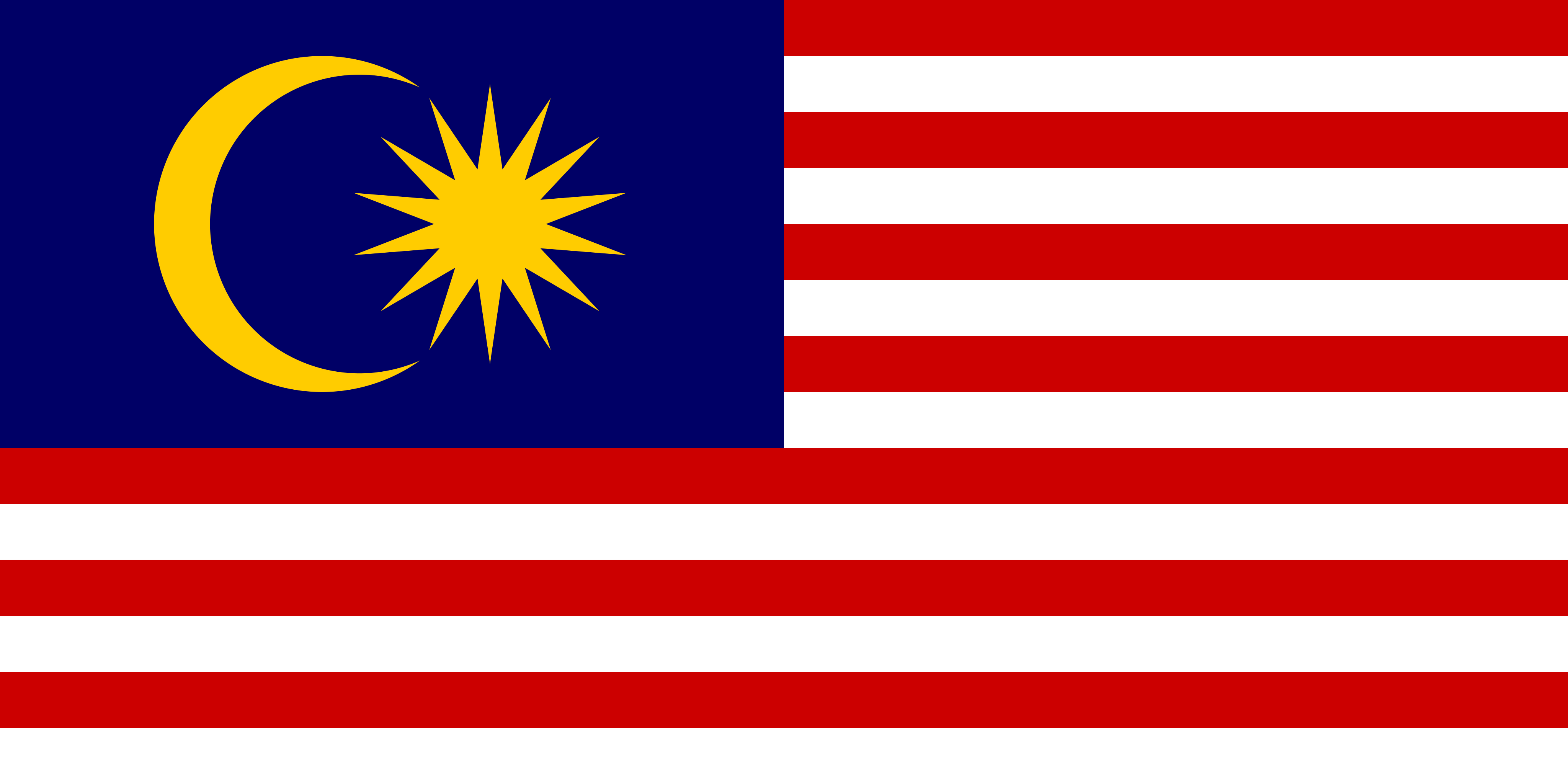
 Diwali in Malaysia
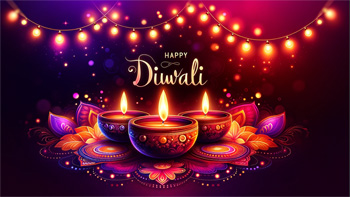

Diwali, also known as Deepavali in Malaysia, is a festival of lights celebrated with great enthusiasm by the Hindu community. This festival symbolizes the victory of light over darkness and good over evil. In Malaysia, a country known for its multicultural society, Diwali is a public holiday that showcases the nation's rich cultural diversity. It's a time when people come together to celebrate, regardless of their ethnic or religious backgrounds, making it a vibrant and inclusive festival.
The Significance of Diwali in Malaysia
Diwali holds a special place in the hearts of Malaysian Hindus, who make up a significant portion of the country's population. The festival is marked by the lighting of oil lamps, known as diyas, which are placed around homes and in temples. These lamps are believed to guide the goddess Lakshmi into people's homes, bringing prosperity and good fortune for the year ahead. The celebration is not just limited to Hindu Malaysians; people from various communities participate in the festivities, reflecting Malaysia's unity in diversity.
Preparations and Decorations
The preparations for Diwali begin weeks in advance, with families cleaning and decorating their homes. Marketplaces are filled with shoppers buying traditional attire, decorative items, and gifts for family and friends. Homes are adorned with colorful rangoli designs, made using colored rice, flower petals, and sand, to welcome guests and the deities. The vibrant decorations and the spirit of the festival turn the streets of Malaysia into a picturesque scene, full of life and color.
Traditional Foods and Sweets
Food plays a central role in Diwali celebrations in Malaysia. Families prepare a feast of traditional Indian dishes and sweets to share with loved ones. Sweets like ladoos, barfi, and jalebi are popular, as they signify happiness and prosperity. The Malaysian twist to Diwali delicacies includes local ingredients and flavors, making the festive fare unique to the Malaysian celebration of Diwali. Community feasts are also organized, bringing people from different backgrounds together to enjoy the sumptuous food.
Religious Practices and Temple Visits
Religious rituals are an integral part of Diwali in Malaysia. Hindus visit temples to offer prayers, seeking blessings for health, wealth, and success. Temples are elaborately decorated and become the focal point of the celebrations, with special poojas and ceremonies conducted to honor the gods. The sound of bells, chants, and the fragrance of incense create a serene and devotional atmosphere, inviting all to partake in the spiritual aspect of the festival.
Public Celebrations and Fireworks
Diwali in Malaysia is also known for its public celebrations, including cultural performances, music, and dance. Events showcasing Indian classical and contemporary arts are organized, highlighting the country's cultural heritage. Fireworks are a major attraction, lighting up the night sky, symbolizing joy and the dispelling of darkness. These public celebrations provide an opportunity for Malaysians of all backgrounds to experience and participate in the joyous festival of Diwali.
In the heart of Malaysia's multicultural landscape, Diwali emerges as a festival that transcends religious and ethnic boundaries, embodying the spirit of unity and shared joy. The festival's vibrant colors, lights, and communal harmony enrich the cultural fabric of Malaysia, making Diwali a time of celebration for everyone in the country. Through its inclusive festivities, Diwali in Malaysia stands as a testament to the country's respect for diversity and its ability to bring people together in celebration.