 Chinese New Year in Malaysia
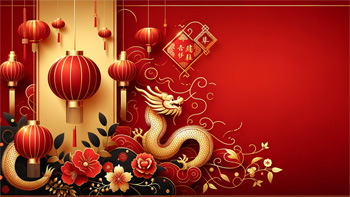

Chinese New Year, also known as Lunar New Year or Spring Festival, is one of the most significant and widely celebrated festivals in Malaysia. This joyous occasion marks the beginning of a new year on the Chinese lunar calendar and is a time of family reunions, cultural rituals, and festive celebrations. With a substantial Chinese population, Malaysia embraces this festival with open arms, showcasing a rich tapestry of traditions that have been preserved and evolved over generations.
In Malaysia, Chinese New Year is more than just a cultural celebration; it is a vibrant, national event that brings together people from various ethnic backgrounds to participate in the festivities. The festival typically lasts for 15 days, starting from the first day of the Chinese lunar calendar, and it is filled with a plethora of activities, traditional customs, and delicious food. The entire country is adorned with red decorations, symbolizing good fortune and joy, and the air is filled with the sounds of fireworks and lion dance performances.
Historical Context: Evolution of Lunar New Year in Malaysia
The celebration of Chinese New Year in Malaysia reflects the rich history and cultural integration of the Chinese community within the Malaysian mosaic. Chinese immigrants began settling in Malaysia (then Malaya) in significant numbers during the 15th century, although the largest waves arrived in the 19th and early 20th centuries, drawn by the promise of work in tin mines and plantations. They brought with them their traditions, beliefs, and festivals, including the Lunar New Year.
Over the centuries, these traditions have been preserved yet have also evolved, blending with the customs and practices of Malaysia's diverse ethnic groups. For instance, the open house practice during Chinese New Year, where Malaysians of all backgrounds are invited to share in the festivities, highlights the unique Malaysian spirit of unity and cultural sharing. This tradition is a testament to the integration of the Chinese community within the broader Malaysian society, where cultural celebrations transcend ethnic boundaries, fostering a sense of national identity and belonging.
The evolution of Chinese New Year in Malaysia also mirrors changes in societal values and technological advancements. For example, the use of firecrackers, once ubiquitous in celebrating the festival, is now regulated due to safety and noise concerns, reflecting a shift towards more community-conscious celebrations. Similarly, the traditional lion and dragon dances, which have their roots in ancient China, have been adapted to incorporate local Malaysian elements, showcasing a vibrant fusion of cultures.
Cultural Insights: Significance of Red and Gold
Red and gold play pivotal roles in Chinese New Year celebrations, each color laden with deep cultural significance. Red, the most prominent color during the festivities, symbolizes good fortune, happiness, and prosperity. It is believed that wearing red clothing and decorating homes and public spaces with red accents can ward off evil spirits and usher in a year of luck. This tradition stems from an ancient legend involving a mythical beast, Nian, which was said to be frightened away by loud noises and the color red.
Gold, on the other hand, represents wealth and prosperity. It is commonly seen alongside red in decorations, gifts, and even the envelopes used for giving 'ang pao' (red packets). The combination of red and gold is considered particularly auspicious, embodying wishes for a prosperous year ahead. These colors not only decorate the physical spaces but also serve as a visual reminder of the enduring wishes for health, wealth, and happiness in the Chinese culture.
Preparations for Chinese New Year
The preparations for Chinese New Year in Malaysia begin weeks in advance, as families clean their homes to sweep away any ill-fortune and make way for incoming good luck. Homes are decorated with red lanterns, auspicious couplets, and paper cuttings that carry wishes for prosperity, health, and happiness. Shopping malls and public spaces are also festooned with red and gold decorations, creating a festive atmosphere that envelops the entire country.
One of the most important aspects of the preparations is the reunion dinner, held on the eve of Chinese New Year. This is a family feast where members come together, often traveling from far and wide, to celebrate the occasion. The dinner is a lavish affair with dishes that carry symbolic meanings, such as fish (abundance), dumplings (wealth), and glutinous rice cakes (progress).
Traditions and Customs
Several traditions and customs are observed during Chinese New Year in Malaysia, each with its own significance. On the first day of the festival, it is customary for people to wear new clothes, preferably in red, to symbolize a fresh start and good luck for the year ahead. Exchanging mandarin oranges during greetings is another tradition, representing the giving and receiving of good fortune.
Giving red packets, or 'ang pao', containing money is another cherished tradition. These are usually given by the married and elderly to children and unmarried adults, symbolizing the transfer of good luck and blessings. The amount of money is not as important as the act of giving, which is meant to strengthen bonds and share blessings.
Festive Celebrations and Activities
The celebrations for Chinese New Year in Malaysia are diverse and vibrant. Lion dances and dragon dances are among the most spectacular sights, performed by troupes in colorful costumes to the beat of drums and cymbals. These performances are believed to bring good luck and drive away evil spirits. Fireworks and firecrackers light up the night sky, adding to the festive mood, although their use is regulated in certain areas.
Open houses are a unique Malaysian tradition where families invite friends, neighbors, and sometimes even strangers into their homes to share in the celebration with food and drinks. This practice not only showcases the hospitality and generosity of the Malaysian Chinese community but also promotes cultural understanding and harmony among Malaysia's multi-ethnic population.
Chinese New Year Cuisine
The cuisine during Chinese New Year is both a feast for the palate and a display of cultural symbolism. Apart from the reunion dinner, various snacks and sweets are prepared and consumed throughout the festival, such as 'bak kwa' (barbecued pork), 'nian gao' (sticky rice cake), and 'kuih kapit' (love letters). Each dish and snack carries a special meaning, often linked to wishes for prosperity, longevity, and happiness.
Yee Sang, also known as the prosperity toss, is a unique dish to Malaysia and Singapore, consisting of raw fish, shredded vegetables, and a variety of sauces and condiments. Families and friends gather around the table to toss the ingredients high in the air while shouting auspicious wishes, believing that the higher they toss, the greater their fortunes in the coming year.
The Spirit of Chinese New Year
The spirit of Chinese New Year in Malaysia transcends cultural and ethnic boundaries, embodying values of renewal, gratitude, and togetherness. It is a time when Malaysians of all backgrounds come together to celebrate, showcasing the country's rich cultural diversity and unity. The festival not only honors ancestral traditions but also strengthens the social fabric of the nation, fostering a sense of belonging and community among its people.
As the festivities come to a close with Chap Goh Mei, the 15th and final day of the Lunar New Year, families gather once more to mark the end of the festival with lanterns and often, another round of feasting. This day, also known as the Chinese Valentine's Day, has its own set of traditions and customs, further enriching the cultural tapestry of Malaysia.
In summary, Chinese New Year in Malaysia is a reflection of the country's multicultural heritage, celebrated with enthusiasm and unity. From the bustling streets of Kuala Lumpur to the quiet villages, the festival brings a message of hope, prosperity, and harmony. As Malaysians continue to honor these age-old traditions, they also create new memories and experiences, ensuring that the spirit of the Lunar New Year remains vibrant and meaningful for generations to come.