 Lunar New Year in Hong Kong

Lunar New Year, often referred to as Chinese New Year, holds a special place in the hearts of those in Hong Kong, marking the beginning of a new lunar cycle and bringing with it hopes for prosperity, happiness, and good fortune. This vibrant and joyous occasion is one of the most significant festivals celebrated in the city, deeply rooted in centuries-old traditions and customs that are still observed with great enthusiasm today. As one of the most anticipated holidays in Hong Kong, Lunar New Year offers a glimpse into the rich cultural tapestry of this bustling metropolis, blending ancient rituals with the dynamism of modern life.
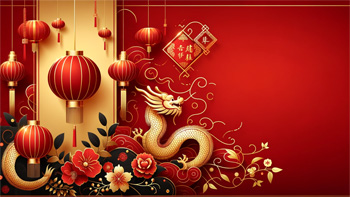
The celebration of Lunar New Year in Hong Kong is not just a one-day affair but stretches over several days, making it a time for family reunions, feasting, and participating in various traditional activities. The city comes alive with festive decorations, with streets, homes, and businesses adorned with red lanterns, auspicious flowers, and calligraphy banners bearing wishes for the new year. Red, symbolizing good luck and joy, dominates the color scheme of the festivities, creating a lively and warm atmosphere throughout the city.
Traditions and Customs
One of the most cherished Lunar New Year traditions in Hong Kong is the family reunion dinner, known as "Tuen Nin" in Cantonese. Held on the eve of the New Year, families gather around the dining table to enjoy a sumptuous feast that includes dishes such as fish (symbolizing surplus), poultry, and niangao (New Year cake), each selected for their auspicious meanings. This meal is a time for family members to bond and express their hopes for the year ahead.
Another important custom is the giving of lai see, or red envelopes, which contain money and are given to children and unmarried adults. The red envelopes are not just gifts of money; they symbolize good luck and are believed to ward off evil spirits. The act of giving and receiving lai see strengthens bonds within families and among friends and colleagues, fostering a sense of generosity and community spirit.
Festivities and Celebrations
The Lunar New Year in Hong Kong is marked by a plethora of festivities that showcase the city's rich cultural heritage. The Flower Markets are a key attraction, with Victoria Park being one of the most popular venues. Here, locals and tourists alike flock to buy flowers and plants that symbolize good fortune, such as peach blossoms for prosperity and orchids for good luck. The vibrant colors and fragrances of the flower markets add to the festive mood, making them a must-visit during the New Year celebrations.
Another highlight is the Lunar New Year parade, a spectacular event that features floats, dragon and lion dances, and performances by local and international artists. The parade, usually held in the Tsim Sha Tsui area, attracts thousands of spectators each year, who come to witness the dazzling display of lights, costumes, and choreography. The dragon and lion dances, in particular, are believed to bring good luck and drive away evil spirits, and are a vibrant expression of Hong Kong's cultural identity.
Lunar New Year Cuisine
Food plays a central role in the Lunar New Year celebrations in Hong Kong, with special dishes and snacks prepared and enjoyed throughout the festival. Traditional New Year foods are chosen for their symbolic meanings, with names that sound like words for prosperity, happiness, and longevity. For instance, turnip cake (lo bak go) and taro cake (wu tao go) are popular because their Cantonese names sound like phrases for good fortune. Sweet treats such as nian gao (New Year cake) made from glutinous rice flour and steamed to a sticky sweetness are a staple, symbolizing a year of growth and prosperity.
Dim sum, another hallmark of Cantonese cuisine, also features prominently during the New Year celebrations. Families and friends gather in restaurants to enjoy a leisurely meal of dim sum, which includes a variety of bite-sized dishes served in bamboo steamers. This tradition not only allows for socializing and celebration but also reflects the communal and familial spirit that is at the heart of the Lunar New Year.
The Lantern Festival
The culmination of the Lunar New Year celebrations in Hong Kong is the Lantern Festival, which takes place on the 15th day of the first lunar month. This enchanting event is celebrated with the lighting of lanterns, lion dances, and the eating of tangyuan (sweet glutinous rice balls), which symbolize family unity and completeness. In recent years, the Hong Kong Lantern Festival has become known for its innovative and artistic lantern displays, including giant sculptures that light up the night and interactive installations that engage both locals and visitors in the festivities.
As the Lantern Festival draws the Lunar New Year celebrations to a close, it leaves behind a trail of joy, unity, and hope among the people of Hong Kong. The festival not only honors the city's cultural traditions but also showcases its ability to blend the old with the new, creating a vibrant and dynamic celebration that is uniquely Hong Kong. As families and communities come together to mark the start of the lunar year, the spirit of the festival continues to strengthen the bonds between them, weaving a fabric of shared memories and aspirations for the future.
In essence, Lunar New Year in Hong Kong is a time of joyous celebration and deep cultural significance. From the bustling flower markets and colorful parades to the intimate family dinners and the giving of lai see, each tradition and custom reflects the city's rich heritage and communal spirit. As Hong Kong welcomes another lunar year, the festivities not only offer a moment of reflection and renewal but also affirm the enduring values of family, community, and hope that are at the heart of this ancient festival.