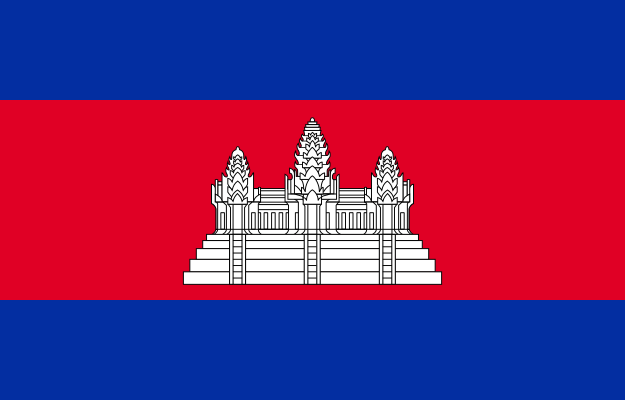
Khmer New Year in Cambodia
Khmer New Year, also known as Choul Chnam Thmey in the Khmer language, which means "Enter New Year," is one of the most significant holidays celebrated in Cambodia. This festive event marks the end of the harvesting season, offering farmers a break from their hard work and an opportunity to celebrate the fruits of their labor. The holiday falls on April 13th or 14th each year, depending on the ancient horoscope, and it ushers in the New Year according to the Khmer solar calendar. It is a time of joy, family reunions, and community spirit, reflecting the rich cultural heritage and traditions of Cambodia.
The celebration lasts for three days, each with its own significance and set of activities. The first day, Maha Sangkran, is dedicated to welcoming the New Year. Cambodians clean and decorate their homes, prepare special dishes, and offer food to Buddhist monks in temples. It is believed that performing good deeds during this time ensures blessings and prosperity for the coming year. The vibrant streets are filled with people wearing colorful traditional clothing, participating in cultural performances, and playing traditional games.
Day One: Maha Sangkran
On Maha Sangkran, the first day of Khmer New Year, the focus is on preparing and welcoming the new angel who will look after the world for the coming year. People rise early to clean their houses, set up altars adorned with flowers, candles, and incense, and prepare food offerings. The belief is that these offerings will bring good luck, health, and happiness to their families. It's a day filled with joy and reverence, as Cambodians visit temples to pray, give alms to the monks, and participate in the ceremonial washing of Buddha statues, symbolizing purification and the washing away of bad luck.
Streets come alive with music, dance, and traditional games such as "Bos Angkunh," "Leak Kanseng," and "Tug of War," fostering community spirit and joy. These games are not only entertaining but also carry cultural significance, representing strength, unity, and cooperation among community members. Families gather to share meals, stories, and laughter, reinforcing bonds and creating lasting memories.
Day Two: Vanabot
The second day of Khmer New Year, Vanabot, is a time to pay respects to parents, grandparents, and elders. Cambodians express their gratitude and appreciation for their elders' love, wisdom, and guidance by performing acts of service, such as helping with household chores or offering gifts. This tradition is deeply rooted in the Khmer culture, emphasizing filial piety and respect for family hierarchy. The day is an opportunity for younger generations to connect with their heritage and learn the values of kindness, humility, and respect.
In addition to family gatherings, Vanabot is also a day for charity. People visit the less fortunate, donating food, clothes, and other essentials, embodying the spirit of giving and community support. This practice not only helps those in need but also strengthens the social fabric, reminding everyone of the importance of compassion and solidarity. The evening is often marked by more communal activities and celebrations, including concerts and fireworks, adding to the festive atmosphere.
Day Three: Leang Saka
The third day, Leang Saka, is dedicated to making blessings for a prosperous year ahead. Cambodians engage in rituals to honor their ancestors, offering prayers, food, and drinks at altars and temples. This act of remembrance is a poignant reminder of the cyclical nature of life and the enduring bonds between the living and the departed. It's a time for reflection, expressing gratitude for past blessings, and invoking protection and prosperity for the family.
One of the most heartwarming rituals on this day is the washing of the elders. Younger family members gently pour perfumed water over the hands of their parents and grandparents, seeking forgiveness for past wrongs and blessings for the future. This beautiful ceremony symbolizes respect, humility, and the renewal of family ties. It’s a fitting end to the New Year celebrations, leaving participants with a sense of peace, rejuvenation, and optimism for the year to come.
Cultural Significance and Traditions
The Khmer New Year is more than just a festive occasion; it is a profound expression of Cambodia's cultural identity and spiritual beliefs. The holiday encapsulates the values of family, community, and respect for nature and the divine. Through its rituals and celebrations, Khmer New Year reinforces social bonds, transmits cultural heritage to younger generations, and fosters a sense of unity and national pride among Cambodians.
Furthermore, the New Year is also a time for Cambodians to showcase their cultural heritage to the world. The festivities draw attention from international tourists, who are welcomed to participate and experience the vibrant culture and traditions firsthand. This not only boosts local economies but also promotes cultural exchange and understanding. The Khmer New Year serves as an opportunity for Cambodia to display its rich history, unique traditions, and the warmth of its people to the global community.
The celebration of Khmer New Year is a testament to the resilience and enduring spirit of the Cambodian people. Despite the challenges faced throughout history, including periods of conflict and hardship, Cambodians continue to honor their ancestral traditions with pride and joy. The New Year festival is a time of renewal and hope, reflecting the nation's ongoing journey towards peace, prosperity, and unity.
As the country looks forward, the Khmer New Year remains a pivotal time for reflection on the past and aspirations for the future. It embodies the collective spirit of Cambodia, a nation deeply rooted in its cultural traditions yet always embracing the promise of a new beginning.