 Unification Day in Romania
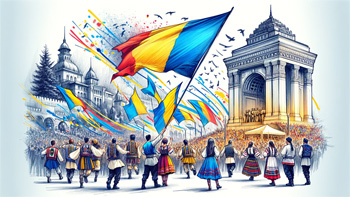

Unification Day in Romania, also known as the Day of the Union of the Romanian Principalities or simply The Small Union, is a significant national holiday celebrated every year on January 24th. This day marks a pivotal moment in Romania's history when, in 1859, the principalities of Moldavia and Wallachia were united under the leadership of Alexandru Ioan Cuza. This event laid the groundwork for the modern Romanian state, which would eventually include Transylvania and other territories, leading to the Great Union of 1918. However, the focus of this article is on the initial union of 1859, which is a source of national pride and a testament to Romania's enduring quest for unity and independence.
The unification of Moldavia and Wallachia was not merely a political maneuver but a reflection of the shared cultural, linguistic, and historical bonds between the two principalities. For centuries, the Romanian-speaking territories had been divided under foreign powers, with Moldavia and Wallachia often under the influence or direct control of the Ottoman Empire. The desire for unity was driven by a common heritage and the Enlightenment ideas spreading across Europe, which emphasized national self-determination and sovereignty. Alexandru Ioan Cuza's election as the ruling prince of both Moldavia (January 5, 1859) and Wallachia (January 24, 1859) was a deliberate and strategic move by Romanian leaders to achieve this unity.
The Significance of Unification Day
Unification Day is more than just a historical commemoration; it symbolizes the strength and unity of the Romanian people. The union of the principalities represented the first major step towards the realization of a long-held dream: the creation of a unified, independent Romanian state. This day is a reminder of the sacrifices and the visionary leadership that paved the way for the national unity and independence that Romanians enjoy today. It's a celebration of cultural and national identity, highlighting the importance of unity and solidarity in achieving common goals.
The holiday is marked by a variety of events and activities across Romania, including military parades, historical reenactments, concerts, and educational programs. In Bucharest, the capital city, and in other major cities like Iași and Cluj, public ceremonies and speeches by political and civic leaders underscore the day's significance. Schools and cultural institutions often organize events and presentations to educate the young about this pivotal moment in Romania's history, ensuring that the legacy of the Unification Day continues to inspire future generations.
Traditions and Celebrations
One of the most visible aspects of Unification Day celebrations is the display of the Romanian flag, a powerful symbol of national pride and unity. Across the country, the tricolor flag is prominently displayed in public buildings, homes, and squares. Many Romanians also wear traditional costumes on this day, especially in rural areas, showcasing the rich cultural heritage that unites the diverse regions of Romania. These traditions are not just about remembering the past; they're about celebrating the living, breathing culture that the unification helped to preserve and strengthen.
Another significant tradition is the laying of wreaths at monuments dedicated to Alexandru Ioan Cuza and other heroes of the unification. This act of remembrance honors those who fought for the unity and independence of Romania, acknowledging their contributions to the country's history. Educational programs, especially in schools, focus on teaching the historical context and significance of the Unification Day, fostering a sense of national pride and awareness among the younger generations.
The Impact of Unification on Romanian Society
The unification of Moldavia and Wallachia under Alexandru Ioan Cuza had far-reaching implications for Romanian society. It marked the beginning of significant reforms that would modernize the country, including the secularization of monastic estates, the introduction of a new civil code, and the establishment of a national education system. These reforms laid the foundations for a more equitable and progressive society, significantly impacting the lives of ordinary Romanians.
The unification also had a profound cultural impact, fostering a sense of national identity and pride. It encouraged the development of a unified Romanian culture, literature, and language, which helped to strengthen the bond between the country's various regions. This cultural unification was as crucial as the political one, as it helped to solidify the concept of a Romanian nation, united by common traditions, history, and values.
Unification Day in the Context of Modern Romania
In modern Romania, Unification Day continues to be a source of national pride and a reminder of the country's rich history. It's a day for Romanians to reflect on their past and to celebrate the unity and strength that define their nation. The holiday also serves as an opportunity to educate the younger generation about the importance of unity, resilience, and patriotism. In a world that is increasingly interconnected and challenging, these values help to maintain a strong sense of national identity and cohesion among Romanians.
Moreover, Unification Day is a time for looking forward, not just backward. It encourages Romanians to contemplate their country's future and how they can contribute to its prosperity and stability. By remembering the lessons of the past and the sacrifices made by their ancestors, Romanians are inspired to work towards a more inclusive, united, and strong nation. This forward-thinking approach is essential in addressing contemporary challenges and ensuring that Romania continues to thrive in the 21st century and beyond.
Finally, Unification Day symbolizes the potential of unity to achieve great things. The initial union of Moldavia and Wallachia, and the subsequent unification of all Romanian territories, demonstrate the power of collective will and vision. It's a reminder that, through solidarity and shared purpose, obstacles can be overcome, and ambitious goals can be reached. For Romania, this day is not just about celebrating history; it's about inspiring a future where unity and cooperation lead to continued success and fulfillment.
As Romanians commemorate Unification Day each year, they reaffirm their commitment to the ideals that brought their nation together. It's a celebration of past achievements and a pledge to continue building a country that honors its history while embracing the possibilities of tomorrow.