 Easter Sunday in Poland
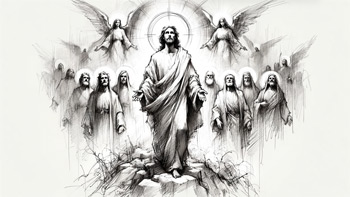

Easter Sunday in Poland is a deeply rooted tradition, blending religious reverence with cultural festivities. Known as Wielkanoc, it marks the resurrection of Jesus Christ and is considered the most important Christian holiday. This day is filled with unique customs, special foods, and family gatherings, reflecting the rich heritage and religious devotion of the Polish people.
Preparations and Blessing of the Easter Baskets
Preparations for Easter Sunday begin well in advance, with Holy Saturday being a significant day for the blessing of the Easter baskets, or Święconka. These baskets, beautifully decorated and filled with symbolic foods such as eggs, bread, salt, and a lamb made of sugar or bread, are taken to churches to be blessed. This tradition is steeped in symbolism, with each item representing aspects of Christ's passion and resurrection, and it brings communities together in anticipation of the Easter celebration.
Easter Mass and Religious Observances
The religious observance of Easter in Poland is marked by attending the Easter Mass at dawn, known as Rezurekcja. This Mass is a joyful celebration of the resurrection of Christ, featuring processions, singing, and the sharing of the peace. Churches are filled with families dressed in their best outfits, and the air resonates with the sounds of joy and communal prayer, highlighting the deep spiritual significance of the day.
Easter Breakfast and Traditional Foods
After returning from the Mass, families gather for the Easter breakfast, which is one of the most anticipated parts of the day. The table is lavishly laid with the previously blessed foods, now ready to be shared. Traditional dishes include żurek (sour rye soup with sausage), eggs in various forms, and babka (a sweet yeast cake). This meal is not just about feasting but also about celebrating new life, joy, and the bonds of family and community.
Egg Decorating and Easter Games
Decorating eggs, or pisanki, is another cherished tradition. These eggs, intricately decorated using various techniques, are symbols of new life and renewal. Families spend time together creating these beautiful works of art, which are then displayed or exchanged as gifts. Easter in Poland also features games, the most famous being the Śmigus-Dyngus or Wet Monday, where people playfully splash water on each other, signifying the cleansing of sins and the arrival of spring.
Easter Sunday in Poland encapsulates the essence of Polish culture, where deeply held religious beliefs are celebrated with vibrant traditions and communal joy. From the solemnity of the Easter Mass to the warmth of family gatherings and the fun of Easter games, this day offers a rich tapestry of experiences that reflect the spirit of Polish Easter, blending reverence, tradition, and celebration.