 Good Friday in Nigeria
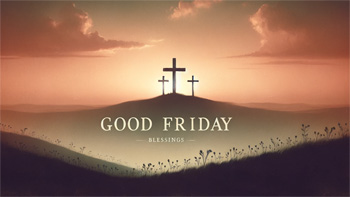

Good Friday in Nigeria is a deeply significant day that commemorates the crucifixion of Jesus Christ and his death at Calvary. It is observed by Christians across the country with solemnity and reverence as part of the Holy Week celebrations leading up to Easter Sunday. This day is marked by a profound sense of reflection on the sacrifices made by Jesus, and it plays a crucial role in the Christian faith, reminding believers of the depth of God's love for humanity. Good Friday is a public holiday in Nigeria, allowing Christians to participate fully in the day's observances and rituals.
The observance of Good Friday in Nigeria is characterized by church services, fasting, prayers, and processions. These practices are meant to foster a contemplative mood, encouraging believers to ponder the meaning of Christ's suffering and death. The day's activities are designed to create a spiritual journey that leads followers through despair and mourning toward the hope of resurrection and redemption. Churches across Nigeria hold special services that often include the reading of the Passion of Christ, veneration of the cross, and hymns that reflect the solemnity of the occasion.
Church Services and Religious Observances
Church services on Good Friday in Nigeria are marked by their solemn and reflective nature. Many churches organize morning or afternoon services that focus on the scriptural accounts of Jesus' crucifixion. Sermons often emphasize themes of sacrifice, forgiveness, and salvation, encouraging the congregation to apply these lessons to their lives. In addition to traditional services, some communities hold dramatic reenactments of the Stations of the Cross, which depict the final hours of Jesus' life. These processions, whether held within the church premises or through the streets, allow believers to visually and emotionally engage with the story of the Passion.
Another common practice is the Good Friday fast, which involves abstaining from meat as a form of penance and spiritual discipline. Many Nigerian Christians observe this fast from sunrise to sunset, breaking their fast with light meals that often include fish or vegetable dishes. This act of fasting is seen as a way to share in the sufferings of Christ and to cleanse the body and spirit in preparation for the celebration of Easter.
Community and Charitable Activities
Good Friday in Nigeria is also a time for community outreach and acts of charity. Churches and religious organizations often organize events to support the less fortunate, including food drives, visits to hospitals and orphanages, and other acts of kindness. These activities are motivated by the Christian call to love and serve one's neighbor, reflecting Jesus' teachings on compassion and charity. By focusing on the needs of others, believers embody the spirit of Good Friday, turning a day of mourning into an opportunity for love and service.
Despite the somber tone of the day, Good Friday holds a message of hope for Nigerian Christians. It is a reminder that the story does not end with Christ's death but leads to the joy of His Resurrection on Easter Sunday. This perspective encourages believers to see beyond their current struggles and hardships, trusting in the promise of new life and salvation.
The Significance of Good Friday in Nigerian Society
Good Friday holds a special place in the hearts of Nigerian Christians, serving as a day of deep spiritual reflection and communal bonding. It reinforces the core values of the Christian faith—sacrifice, redemption, and unconditional love. As Nigeria is a country of diverse religious beliefs, Good Friday also represents an opportunity for interfaith respect and understanding, as Christian observances are respected by people of other faiths.
The observance of Good Friday in Nigeria illustrates the profound impact of religious traditions on the country's cultural and social fabric. It is a day that brings together individuals and communities in solemn remembrance, collective mourning, and hopeful anticipation of Easter's promise. Through its observances, Good Friday in Nigeria not only commemorates a pivotal event in Christian theology but also fosters a sense of unity and purpose among believers, highlighting the enduring power of faith in shaping lives and societies.