 Midsummer Day in Finland
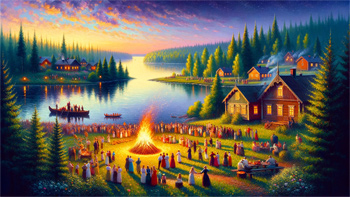

Midsummer Day, known as Juhannus in Finland, is one of the most significant and widely celebrated holidays in the Finnish calendar, deeply rooted in both ancient customs and modern traditions. As the longest day of the year, Midsummer Day embodies the essence of Finnish summertime, celebrating light, nature, and community spirit. The event falls around the summer solstice, typically on June 24th, but the festivities often start earlier and can last the entire weekend. This period marks a time when Finns honor both their pagan heritage and the beauty of their natural surroundings, making it a unique and vibrant celebration.
The origins of Midsummer Day in Finland stretch back to pre-Christian times, intertwining with ancient solstice rituals and the later influence of Christianity. Originally a pagan festival celebrating the sun god, the day was later Christianized to coincide with the feast of St. John the Baptist. Despite this shift, many of the original pagan customs have been preserved or adapted, allowing a fascinating glimpse into Finland's historical and cultural fabric. The fusion of these traditions is what gives Finnish Midsummer its distinctive character, blending the reverence of nature with Christian elements in a celebration that is both spiritual and earthly.
Midsummer Eve Traditions
Midsummer Eve is perhaps the most important part of the celebration, filled with age-old customs and activities that bring people together. One of the most iconic symbols of Juhannus is the bonfire, or 'kokko'. These massive fires are lit at lakesides and on the coast as the sun sets, serving as a beacon that wards off evil spirits and celebrates the power of the sun. The sight of flames reflecting off the water under the midnight sun creates a magical atmosphere, embodying the essence of Finnish Midsummer.
Another key tradition is the decorating of homes and public spaces with birch branches and flowers. This practice is thought to bring good luck and fertility, with the fresh greenery symbolizing new life and growth. Many Finns also create flower wreaths, which are worn on the head, especially by women and girls. These wreaths are not only beautiful but are also imbued with folklore, such as the belief that young women who place a wreath under their pillow on Midsummer Night will dream of their future spouse.
Midsummer Day Activities
During Midsummer Day, Finland comes alive with a host of activities that cater to all ages and interests. For many, this holiday is a time to escape to the countryside or to a summer cottage by a lake or the sea. Here, families and friends gather to enjoy nature, often engaging in fishing, boating, and swimming. The long daylight hours allow for extended outdoor activities, from traditional games to nature walks, emphasizing the Finnish love for the outdoors.
Food plays a central role in the celebrations, with barbecues and picnic feasts being a common sight. Traditional Finnish dishes, such as new potatoes with herring or smoked salmon, are enjoyed alongside seasonal berries and desserts. The communal aspect of these meals, often shared around a bonfire or at a long table under the midnight sun, highlights the importance of fellowship and community during Midsummer.
Modern Celebrations and Public Events
While many Finns prefer the tranquility of nature during Midsummer, there are also numerous public events and festivals that offer a more communal way to celebrate. Cities and towns across Finland host concerts, dances, and public bonfires, bringing together locals and tourists alike. These events often feature live music, folk dancing, and other performances that showcase Finnish culture and heritage.
In recent years, Midsummer festivals have also incorporated modern music and entertainment, with DJs and bands playing into the early hours. Despite these contemporary additions, the celebrations retain their traditional essence, with a focus on community, nature, and the joy of the Finnish summer.
The Significance of Midsummer Day in Finnish Culture
Midsummer Day holds a special place in the hearts of the Finnish people, symbolizing the peak of summer and the bounty of nature. It is a time when the pace of life slows down, and people take a moment to appreciate the beauty around them, reconnect with family and friends, and celebrate the simple pleasures of life. The enduring popularity of Midsummer Day reflects the deep connection Finns have with their environment and their ability to blend historical traditions with contemporary life.
The celebration of Midsummer Day in Finland is more than just a holiday; it is a profound expression of national identity and cultural pride. Through its ancient customs, communal activities, and the embrace of nature, Midsummer offers a window into the Finnish soul. It exemplifies the values of unity, respect for nature, and the importance of maintaining cultural heritage, making it an essential part of Finland's national character.
In essence, Midsummer Day in Finland is a vibrant, deeply meaningful celebration that captures the essence of Finnish culture, history, and love for nature. It is a time for joy, reflection, and community, marked by unique traditions that have been passed down through generations. Whether through the light of a bonfire, the beauty of a floral wreath, or the warmth of shared meals, Midsummer Day embodies the spirit of Finland, making it a truly unforgettable experience for both Finns and visitors alike.