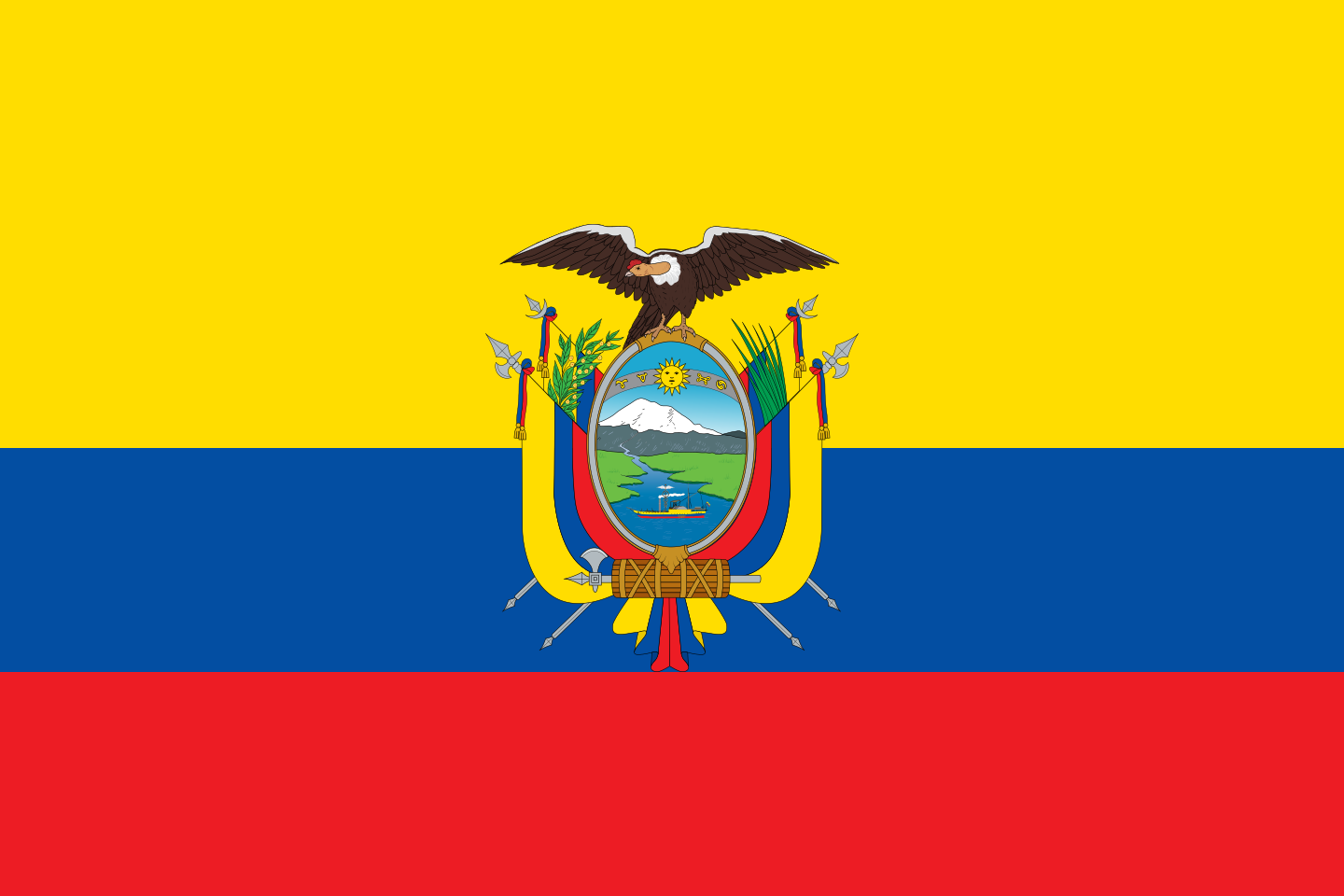
Ecuador's Declaration of Independence Day
Ecuador's Declaration of Independence Day, celebrated on August 10th, marks a significant milestone in the country's history. In 1809, Quito's local patriots declared independence from Spanish colonial rule, igniting a movement that spread throughout Ecuador. This day, known as the "First Cry for Independence," marked the beginning of the country's struggle for liberation. Although Ecuador would not achieve full independence until 1822, the declaration in Quito served as a catalyst for future efforts, laying the groundwork for Ecuador's eventual freedom. Today, this day is commemorated as a reminder of the nation's journey towards independence.
Commemorating the Declaration
Celebrations for Ecuador's Declaration of Independence Day take place across the country, with a special focus on Quito. The city hosts parades, concerts, and cultural performances, celebrating both the declaration and the nation's progress. Military parades honor the country's patriot forces, while cultural events, including traditional dances and music, showcase Ecuador's diverse heritage. Historical reenactments, depicting the events leading up to the declaration, bring the story to life, highlighting the bravery and determination of those who fought for freedom. These commemorations reflect both the historical significance of the declaration and the nation's ongoing commitment to its cultural identity.
The Day's Legacy
Ecuador's Declaration of Independence Day has a lasting impact, not only in marking a pivotal moment in history but also in shaping the nation's identity. The day serves as a reminder of the courage and resilience of Ecuador's people, who have fought for their freedom and independence. Today, the country's cultural diversity and sense of unity reflect the progress made since the declaration. The celebration of this day, with its mix of historical remembrance and cultural festivity, highlights Ecuador's journey, making it an important milestone in the nation's past and present.