National Day in Cyprus
Cyprus, an island rich in history and culture, celebrates its National Day on April 1st. This day marks a significant event in the country's history - the start of the EOKA (Ethniki Organosis Kyprion Agoniston) struggle in 1955 against British colonial rule, aiming for enosis (union) with Greece. The day is filled with pride and remembrance, as Cypriots pay homage to their national heroes and reflect on their journey towards independence.
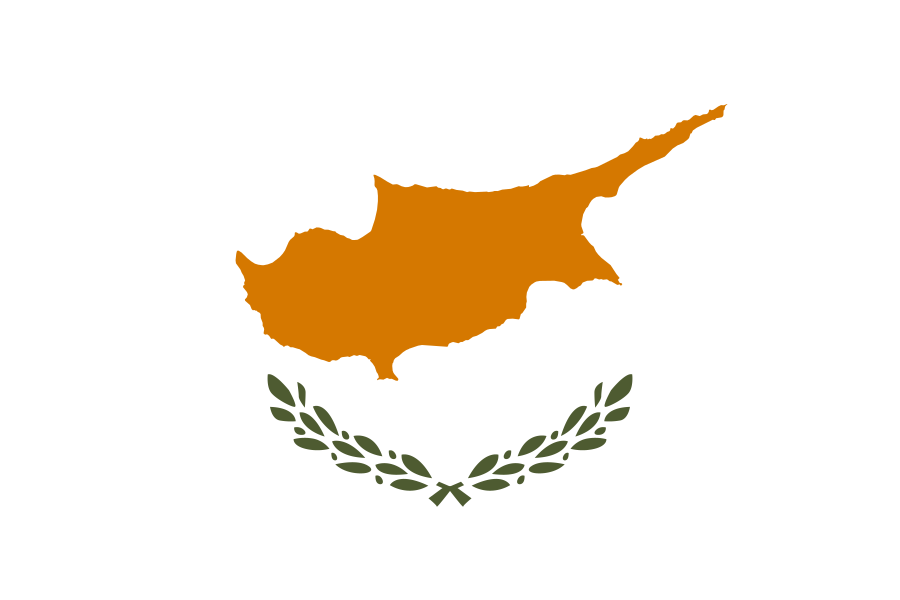
The celebration of National Day in Cyprus is not just a historical commemoration but also a vibrant display of the country's rich cultural heritage. Streets are adorned with the national flag, and the air is filled with the sounds of parades and ceremonies. It's a day that unites the people of Cyprus, regardless of their ethnic backgrounds, in a shared sense of national pride and collective memory. Schools, government offices, and businesses are closed, allowing everyone to participate in the day's activities.
Historical Background
The struggle for independence in Cyprus is a testament to the resilience and determination of its people. The EOKA movement, led by General George Grivas, launched a guerrilla campaign against the British forces, which lasted from 1955 until 1959. This period was marked by significant sacrifices, with many Cypriots losing their lives in the fight for freedom. National Day serves as a reminder of these sacrifices and the enduring spirit of the Cypriot people.
The culmination of this struggle was the Zurich and London Agreement, leading to the independence of Cyprus in 1960. However, the desire for enosis with Greece remained a contentious issue, contributing to intercommunal tensions on the island. National Day, therefore, not only celebrates the beginning of the fight for independence but also serves as a reflection on the ongoing journey towards peace and unity within the country.
Celebrations and Traditions
On National Day, the entire island comes alive with a series of events and activities that showcase the pride of the Cypriot people in their history and culture. Parades, especially those involving school children in traditional costumes, are a common sight. These parades often include marching bands and military units, creating a spectacle of color and sound that captivates both locals and visitors alike.
Memorial services and wreath-laying ceremonies at monuments dedicated to national heroes are solemn reminders of the past struggles. These events are attended by state officials, representatives of political parties, and members of the public, who come together to pay their respects. Speeches are given that recount the history of the independence movement, emphasizing the values of freedom and democracy that guide the nation.
Cultural Significance
The celebration of National Day goes beyond the historical struggle for independence; it is also an opportunity to showcase the island's rich cultural traditions. Folk music and dance performances take place in communities across Cyprus, with participants donning traditional costumes. These events offer a glimpse into the island's diverse cultural heritage, drawing from Greek, Turkish, and British influences, among others.
Food also plays a central role in the celebrations, with families and communities gathering to enjoy traditional Cypriot dishes. These meals are not only a feast for the palate but also for the soul, strengthening bonds among family members and neighbors, and fostering a sense of community and belonging.
Education and Reflection
National Day also serves an educational purpose, particularly for the younger generation. Schools organize events and activities that teach children about the history of Cyprus, the independence struggle, and the importance of national unity and peace. Through stories, poems, and plays, children learn about the sacrifices made by their ancestors and the significance of maintaining the values of freedom and democracy.
This day of reflection and education helps to instill a sense of national identity and pride in young Cypriots. It is a reminder that the peace and freedom they enjoy today were hard-won and must be cherished and protected. The lessons of the past, conveyed through the National Day celebrations, are crucial in guiding the future of the island.
Looking Forward
While National Day is a celebration of Cyprus's past, it also offers a moment to look forward to the future. It is a day to reflect on the challenges that lie ahead and the continued efforts needed to achieve lasting peace and unity on the island. Amid the festivities, there is a collective hope for a future where all Cypriots can live together in harmony, regardless of ethnic or religious differences.
The celebration of National Day in Cyprus is a powerful expression of national identity, unity, and pride. It commemorates a pivotal moment in the island's history while also embracing the diverse cultural heritage that defines Cyprus today. As Cypriots come together to remember their past, they also renew their commitment to a peaceful and prosperous future for their island. This day reminds us all of the enduring spirit of a people who, despite the challenges, continue to strive for freedom, democracy, and unity.
Through its blend of solemn remembrance and vibrant celebration, National Day in Cyprus offers a unique insight into the heart and soul of this beautiful island. It is a day that not only honors those who fought for independence but also celebrates the rich tapestry of Cypriot culture and the unbreakable spirit of its people. As the sun sets on April 1st, it leaves behind a renewed sense of hope and determination, a testament to the enduring legacy of freedom and unity that defines Cyprus.