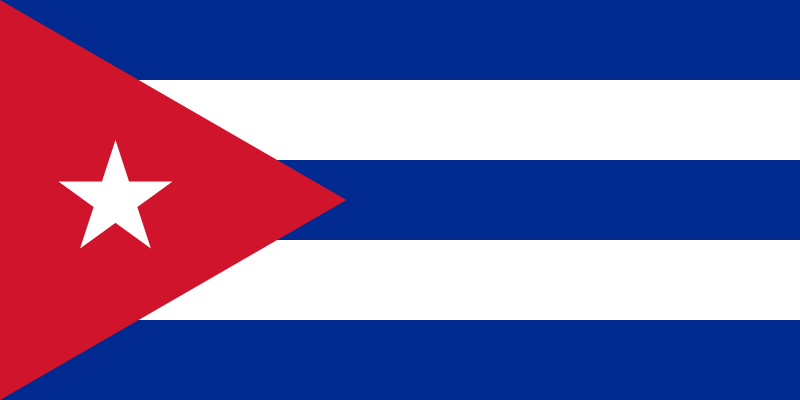
Independence Day in Cuba
Independence Day in Cuba, celebrated on October 10th, is a day of great national significance, marking the beginning of the island nation's long struggle for independence from Spanish colonial rule. This holiday commemorates the historic moment in 1868 when Carlos Manuel de Céspedes, a Cuban planter, freed his slaves and declared Cuban independence, igniting the Ten Years' War. In Cuba, a country with a rich history of resistance and resilience, Independence Day is not just a public holiday; it's an emblem of the nation's enduring struggle for sovereignty and identity.
Historical Context of Independence Day
The Ten Years' War, initiated on October 10th, 1868, by Céspedes's brave act, was the first significant push for Cuban independence. Although this long conflict did not immediately lead to freedom from Spanish rule, it laid the groundwork for future struggles and uprisings. The day serves as a reminder of the sacrifices and determination of those who fought for Cuba's self-determination and rights.
Celebrations and Commemorations
Independence Day in Cuba is characterized by patriotic celebrations and remembrances across the island. Parades, cultural performances, and public gatherings are common, with a focus on Cuban history, music, and dance. Streets and public spaces are often adorned with Cuban flags and symbols of national pride, creating a festive atmosphere.
Official ceremonies and events include speeches and presentations that recall the historical significance of the day. These observances pay tribute to the heroes of the independence movement and serve to educate and instill a sense of national heritage, particularly among younger generations.
Reflecting on Freedom and Sovereignty
Independence Day offers an opportunity for Cubans to reflect on their nation's journey, the value of freedom, and the importance of maintaining sovereignty. It's a day for contemplating the achievements of the nation since the early struggles and acknowledging the ongoing challenges of nation-building in a modern context.
Community and Cultural Pride
Beyond the official ceremonies, Independence Day is a time for community gatherings, family celebrations, and sharing traditional Cuban cuisine. It's a day when the spirit of Cuban culture and identity is celebrated, reinforcing the bonds of community and national unity.
The Day's Significance in Modern Cuba
In contemporary Cuba, Independence Day remains a potent symbol of the fight against colonialism and a testament to the resilience of the Cuban spirit. It serves as a reminder of the nation's revolutionary past and its aspirations for the future, highlighting themes of independence, social justice, and national pride.
As a final point
Independence Day in Cuba stands as a celebration of the nation's enduring spirit of resistance and its quest for self-determination. It’s a day that encapsulates the nation's historical journey, its cultural richness, and its aspirations for a free and sovereign future. As Cubans commemorate this day, they not only honor their past struggles but also reaffirm their commitment to the principles of freedom and national identity. Independence Day thus remains a cornerstone of Cuban heritage, symbolizing the nation's resilience, unity, and hope.