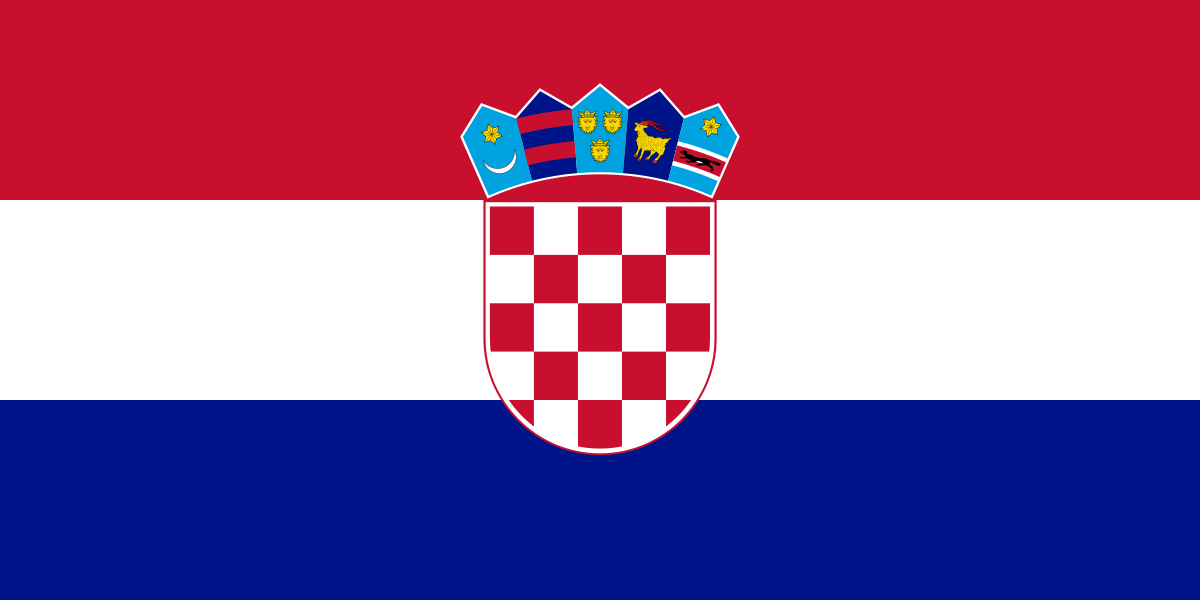
 Statehood Day in Croatia

Croatia, a picturesque country situated at the crossroads of Central and Southeast Europe along the Adriatic Sea, celebrates Statehood Day as one of its most significant national holidays. Statehood Day is commemorated every year on June 25th, marking the day in 1991 when Croatia declared its independence from Yugoslavia. This narrative delves deeply into the significance, historical roots, and vibrant festivities of Statehood Day in Croatia, offering a comprehensive view that brings this pivotal holiday to life for a global audience curious about the rich tapestry of world cultures and celebrations.
The journey to independence and the establishment of Statehood Day as a national holiday is a testament to the enduring spirit and resilience of the Croatian people. Following centuries of foreign rule and decades of being part of socialist Yugoslavia, the Croatian Parliament decided to sever all remaining ties with Yugoslavia on June 25, 1991. This monumental decision came after a referendum held on May 19, 1991, where an overwhelming majority of Croatian citizens voted for independence. However, the formal international recognition of Croatia's independence did not occur until January 15, 1992, a date which is also celebrated in Croatia as International Recognition Day.
The Historical Context of Statehood Day
The path to Croatian independence was fraught with challenges. The declaration of independence in 1991 was followed by the Croatian War of Independence, a conflict that lasted until 1995. Despite facing significant hardships, the Croatian people's desire for a sovereign nation prevailed. Statehood Day, therefore, is not only a celebration of independence but also a day of remembrance for those who fought and sacrificed their lives for Croatia's freedom. The holiday serves as a reminder of the country's turbulent past and the collective effort required to achieve and maintain sovereignty.
The historical significance of June 25, 1991, is deeply ingrained in the national consciousness of Croatia. It represents the culmination of a long-standing aspiration for self-determination and governance. Before the 20th century, Croatia had been part of several different states and empires, including the Habsburg Monarchy, the Austro-Hungarian Empire, and later, the Kingdom of Yugoslavia. The declaration of independence was a pivotal moment, marking the beginning of a new era in Croatian history. It symbolizes the resilience and unity of the Croatian people in the face of adversity.
Statehood Day Celebrations in Croatia
Statehood Day in Croatia is celebrated with a variety of events and activities that reflect the country's rich culture and history. The day is observed as a public holiday, allowing Croatians to take part in the festivities. Official ceremonies are held in the capital, Zagreb, and throughout the country, including the laying of wreaths at monuments dedicated to the national heroes and those who lost their lives during the war of independence. These solemn commemorations are a key part of the day's observances, paying respect to the sacrifices made for Croatia's freedom.
Aside from the official ceremonies, Statehood Day is also a time for joyous celebrations. It is an opportunity for Croatians to express their national pride through music, dance, and public gatherings. Concerts, cultural programs, and folk performances are organized in towns and cities, showcasing Croatia's cultural heritage. Families and friends gather to enjoy traditional Croatian food and drinks, making the most of the holiday spirit. The celebrations are a vivid display of Croatia's national identity and a reflection of the country's journey towards independence.
The Importance of Statehood Day to Croatians
For Croatians, Statehood Day is more than just a public holiday; it is a day of pride, reflection, and unity. It offers a moment to look back on the country's history and appreciate the long journey towards becoming a sovereign nation. This day is especially meaningful for those who lived through the period of conflict and witnessed firsthand the challenges of achieving independence. It is a reminder of the strength and determination of the Croatian people, as well as the importance of peace and stability.
Moreover, Statehood Day serves as an educational opportunity, particularly for the younger generation. Schools and educational institutions emphasize the significance of this day, teaching students about Croatia's history, culture, and the values of freedom and democracy. Through various programs and activities, young Croatians are encouraged to learn about their country's past and to take pride in its achievements. This ensures that the spirit of Statehood Day is passed down through generations, keeping the memory of Croatia's struggle for independence alive.
In conclusion, Statehood Day in Croatia is a day of significant national importance, commemorating the country's declaration of independence on June 25, 1991. It is a day filled with ceremonies that honor the memory of those who fought for Croatia's freedom, as well as celebrations that showcase the country's culture and unity. Statehood Day not only reflects on Croatia's past struggles but also celebrates its achievements and looks forward to its future with hope and pride. As Croatia continues to grow and develop on the international stage, Statehood Day remains a poignant reminder of the resilience and unity that define the Croatian spirit.