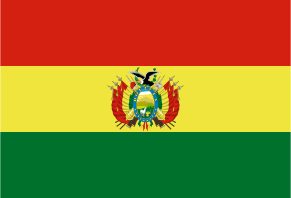
New Year's Day in Bolivia
New Year's Day in Bolivia is a vibrant celebration, reflecting the nation's cultural diversity. The festivities begin with family gatherings and traditional meals, including "picana," a meat stew made with beef, chicken, or pork, accompanied by potatoes and corn. Bolivians believe that starting the year with a hearty meal brings prosperity and health. The night continues with lively parties, featuring music, dancing, and fireworks. These celebrations, both at home and in the streets, bring together family and friends, highlighting the importance of togetherness and community in Bolivian culture. This unique blend of local traditions and global customs makes New Year's Day a meaningful event in Bolivia.
The festivities extend beyond family gatherings, as Bolivians take part in various customs to bring good fortune. One tradition involves eating twelve grapes at midnight, each representing a month of the year, accompanied by wishes for prosperity and happiness. Another custom is wearing specific colors, like yellow for wealth or red for love, to influence the year ahead. These playful traditions reflect Bolivia's mix of cultural influences, blending local beliefs with international customs. They also reinforce the idea of starting the year on a positive note, bringing hope and joy to Bolivian households.
Bolivian cities like La Paz and Santa Cruz also come alive with public celebrations, offering a lively atmosphere. Fireworks light up the sky, music fills the air, and people dance in the streets, creating a joyous scene. Street vendors sell traditional foods, crafts, and decorations, adding to the festive spirit. These city-wide celebrations reflect Bolivia's cultural richness, showcasing its diverse heritage. New Year's Day in Bolivia, with its mix of family traditions and public festivities, serves as a vibrant start to the year, blending cultural heritage with global influences, and uniting Bolivians in a shared celebration.