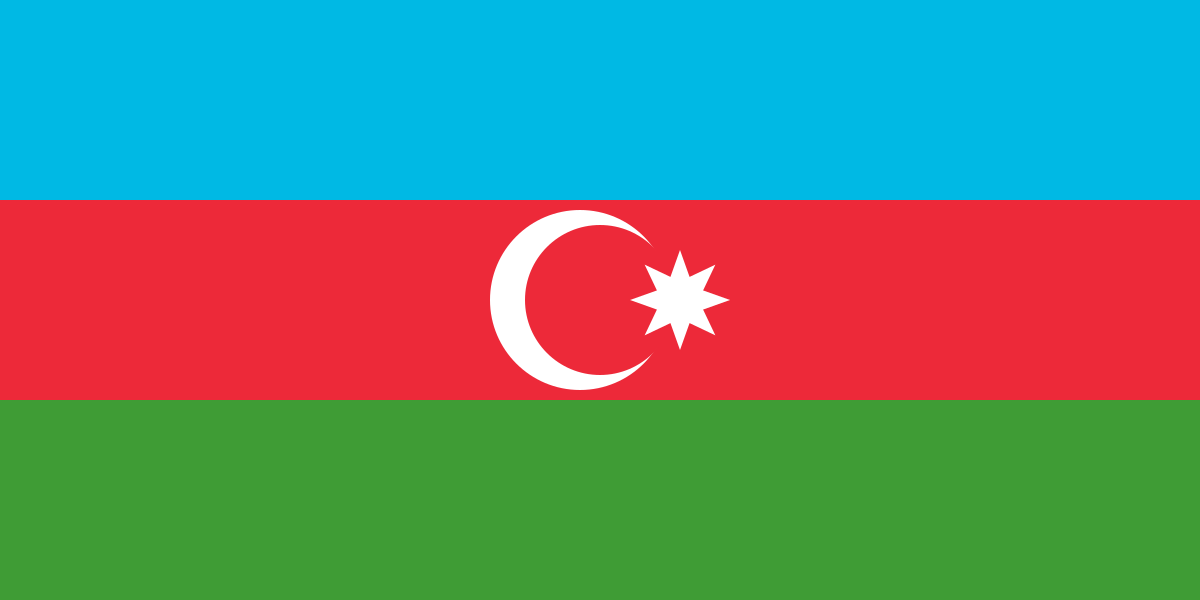
Novruz in Azerbaijan
Novruz in Azerbaijan is a vibrant and ancient celebration marking the arrival of spring and the Persian New Year. Celebrated on March 20th or 21st, Novruz is one of the most important holidays in Azerbaijani culture, symbolizing renewal, rejuvenation, and the triumph of light over darkness. The festival has deep roots in Zoroastrianism and has been celebrated for thousands of years, long before the advent of Islam. Novruz is a time for families to come together, clean their homes, prepare special meals, and participate in various traditional customs and rituals that reflect the rich cultural heritage of Azerbaijan.
Preparations and Traditions
Preparations for Novruz begin weeks in advance, with people engaging in "spring cleaning" to symbolize a fresh start. Homes are thoroughly cleaned and decorated with fresh flowers and green wheat sprouts called "samani," which represent growth and new life. Families prepare a variety of traditional dishes, such as plov (rice pilaf), dolma (stuffed grape leaves), and various sweets like pakhlava and shakarbura. Jumping over bonfires, known as "tonqal," is a popular ritual performed on the eve of Novruz. This practice is believed to cleanse away the past year's misfortunes and bring good luck and health in the new year.
Cultural Celebrations
Novruz celebrations in Azerbaijan are marked by numerous cultural events and activities. Public squares and parks host festivals featuring traditional music, dance, and performances by local artists. People often dress in colorful traditional clothing, adding to the festive atmosphere. One of the key aspects of Novruz is the "Charshanba" festivities, which occur on the four Tuesdays leading up to the holiday. Each Tuesday is dedicated to one of the four elements: water, fire, earth, and wind. These celebrations include various games, sports, and communal meals, bringing communities together in joy and harmony.
Family and Community Gatherings
Novruz is a time for family and community gatherings, where people visit relatives and friends to exchange gifts and well-wishes. It is a tradition to set a festive table called "Khancha," which includes candles, painted eggs, sweets, fruits, and the symbolic samani. Visiting the graves of loved ones to pay respects and offer prayers is also a common practice during Novruz. Social media platforms are filled with messages of celebration and unity, connecting Azerbaijanis around the world. The holiday fosters a sense of togetherness and cultural pride, emphasizing the importance of family bonds and community spirit.
Overall, Novruz in Azerbaijan is a joyful and meaningful celebration that embodies the spirit of renewal, hope, and cultural heritage. It is a time for reflection on the past, celebration of the present, and anticipation of a prosperous future. As Azerbaijan continues to embrace its rich traditions, Novruz remains a cornerstone of the nation's cultural identity, bringing people together in a shared celebration of life and renewal.