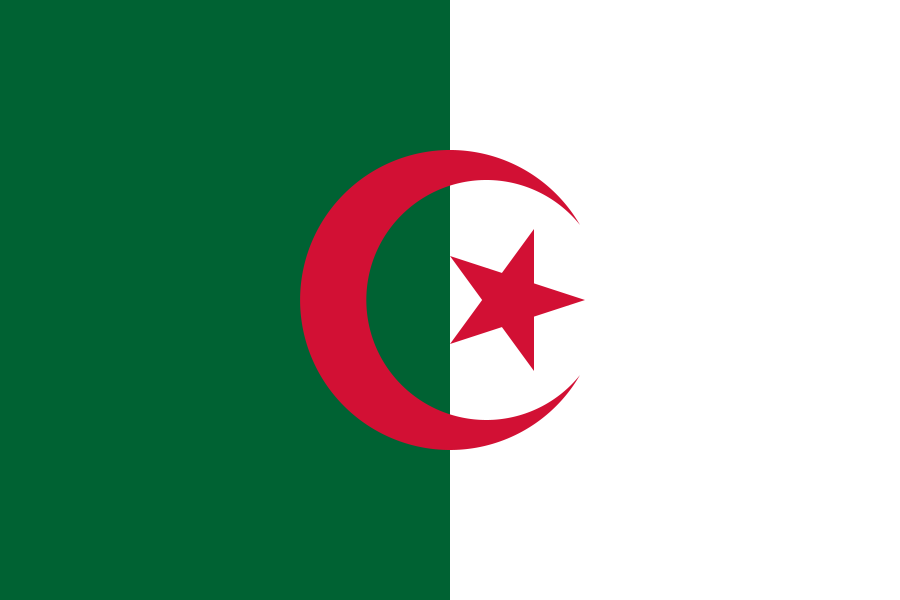
 Eid al-Fitr in Algeria

Eid al-Fitr is a joyous and significant celebration in Algeria, marking the end of Ramadan, the Islamic holy month of fasting. This festival is also known as the Festival of Breaking the Fast and begins with the sighting of the new moon, which varies by location. On this day, Algerians come together to pray, feast, and celebrate. The day starts early with a special communal prayer called Salat al-Eid, which is performed in large groups in mosques and open spaces. After prayers, it is customary for people to visit friends and family, exchange gifts, and give charity to the needy, known as Zakat al-Fitr, ensuring everyone can partake in the celebration.
Traditions and Food of Eid al-Fitr
One of the most delightful aspects of Eid al-Fitr in Algeria is the food. The celebration is known for its lavish meals and sweet treats. Families prepare special dishes that are not commonly made during the rest of the year. Popular dishes include Chorba, a flavorful Algerian soup, and Burek, thin pastry rolls filled with meat or cheese. Sweets are also essential, with Baklawa, a sweet pastry made of layers of filo filled with chopped nuts and sweetened with syrup or honey, being particularly favored. Sharing these meals with family and neighbors is an important part of the festivities, reflecting the communal and generous spirit of Eid.
Cultural Impact and Significance
Eid al-Fitr not only marks the end of fasting but also serves as a time of forgiveness and peace. It is a period when people make amends, forgive each other, and seek to start fresh. The celebration has a profound cultural impact in Algeria, reinforcing bonds within the community and between families. Schools, offices, and businesses close, allowing everyone to focus on celebration and reflection. Additionally, the festivities are accompanied by music and dancing in some parts of the country, with traditional Algerian music adding to the festive atmosphere. Eid al-Fitr is a vibrant expression of Algerian culture, showcasing the nation's rich traditions and the unifying power of this significant religious occasion.