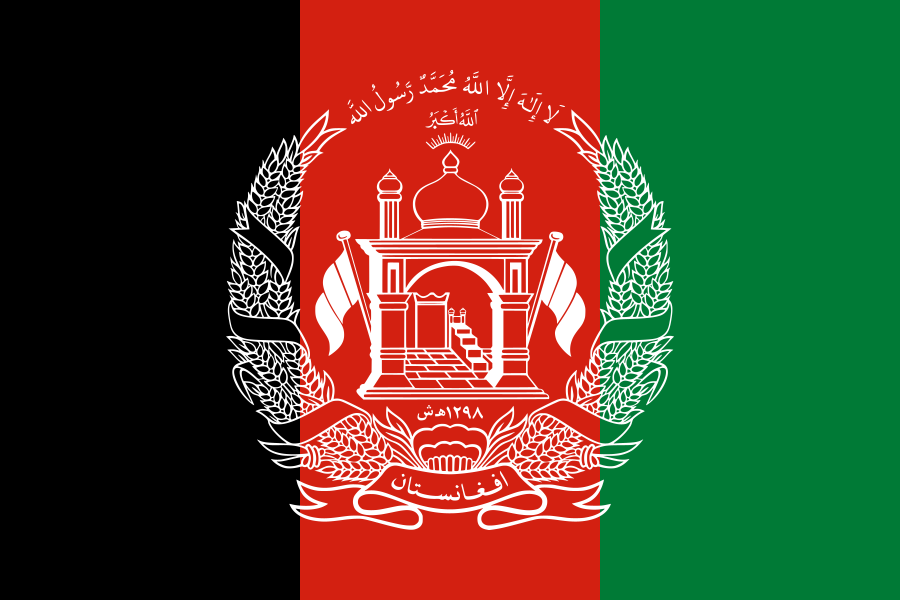
Victory Day of Afghanistan
Victory Day in Afghanistan, observed on April 28th, is a significant national holiday that marks the withdrawal of Soviet troops from Afghanistan in 1989. This day is a symbol of Afghan resilience and determination, commemorating the end of the Soviet-Afghan War that lasted for nearly a decade. Victory Day serves not only as a reminder of the nation’s turbulent past but also as a testament to its enduring spirit and the sacrifices made in the pursuit of sovereignty.
Historical Context
The Soviet-Afghan War, which began in December 1979, was a conflict that had profound implications for Afghanistan and the world. The invasion by Soviet forces met with fierce resistance from Afghan mujahideen, supported by international allies. This period was marked by significant hardship for the Afghan people, including widespread displacement and loss of life. The eventual withdrawal of Soviet troops on April 28, 1989, after years of intense combat, was seen as a significant victory for Afghanistan, signaling the end of one of the most challenging chapters in its history.
Celebrations and Observances
Victory Day is observed with a mixture of solemn remembrance and national pride. The day typically includes official ceremonies and events, particularly in Kabul, where government officials and military personnel pay tribute to those who lost their lives in the conflict. Speeches and programs emphasize themes of sacrifice, resilience, and national unity.
In many parts of Afghanistan, Victory Day is also marked by cultural events, including parades and exhibitions showcasing Afghan history and traditions. These events serve to educate the younger generation about the nation's past struggles and foster a sense of national identity and pride.
Reflection on Peace and Stability
Victory Day provides an opportunity for reflection on the ongoing quest for peace and stability in Afghanistan. It's a day to contemplate the nation's progress since the Soviet withdrawal and to reaffirm the collective aspiration for a peaceful and prosperous future. Discussions often focus on themes of reconciliation, development, and Afghanistan's role in the international community.
Community Engagement
Beyond official events, Victory Day is a time for community engagement. Families and local communities come together to remember their shared history and to honor the resilience of the Afghan people. These gatherings often include the sharing of stories, traditional foods, and collective prayers for peace.
Summing up
Victory Day in Afghanistan is a day of commemoration, reflection, and national pride. It marks not only a military victory but also symbolizes the Afghan people's unyielding spirit in the face of adversity. As the nation observes this day, it not only honors its past but also looks forward to building a future characterized by peace, stability, and prosperity. Victory Day thus stands as an important reminder of Afghanistan’s resilience, its struggles for independence, and its enduring hope for a better future.